Understanding the evolving landscape of interior design is key to creating a truly contemporary living space. As explored in the accompanying video, the essence of modern aesthetic home ideas for 2025 is largely focused on intentionality, sustainability, and a seamless blend of form and function. This written guide is provided to expand on these concepts, offering detailed insights into how a sophisticated and forward-thinking home environment can be achieved.
Unveiling 2025 Interior Design Secrets: Core Principles
The interior design landscape for 2025 is shaped by several overarching principles that extend beyond mere aesthetics. A profound shift towards more thoughtful and conscious design is being observed. These are not merely trends; they are foundational shifts.
Minimalism and Functionality Reimagined
At the heart of modern aesthetic design is a refined approach to minimalism, where every element serves a purpose. This is not about stark, empty rooms, but rather about intentional curation. Clutter is minimized, and spaces are designed to enhance daily living, ensuring that beauty is found in efficiency and simplicity.
Sustainable Design Integration
Environmental consciousness is increasingly integrated into design choices. Materials are being sourced responsibly, and a preference is shown for items with a low environmental footprint. This commitment to sustainability is not just ethical; it also introduces organic textures and a sense of authenticity into the home.
Biophilic Elements and Connection to Nature
A stronger connection to the natural world is sought within urban dwellings. Biophilic design principles are being applied, bringing elements of nature indoors through plants, natural light, and organic textures. This approach is known to enhance well-being and create a calming atmosphere.
Crafting a Modern Aesthetic: Key Elements for Your Home
Achieving a modern aesthetic is largely determined by the careful selection of colors, materials, and furniture. Each component contributes to the overall feeling and functionality of the space.
Color Palettes That Define the Future
The color schemes favored in 2025 are often rooted in serenity and nature. Warm neutrals, soft earthy tones, and muted pastels are frequently chosen as primary backdrops. These foundational colors allow for flexibility and provide a calming base.
Accent colors, when used, are typically derived from natural elements, such as deep forest greens, ocean blues, or terracotta oranges. These are applied sparingly to add depth and personality without overwhelming the space. The overall effect is one of sophisticated tranquility.
Materiality and Texture in Contemporary Spaces
Materials are selected for both their aesthetic appeal and their tactile qualities. Natural woods, often lighter in tone or with a raw finish, continue to be popular, along with stone, concrete, and terracotta. These materials bring a sense of groundedness and authenticity.
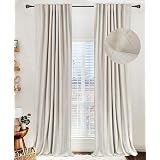
Textile choices also play a significant role, with an emphasis on natural fibers like linen, wool, and cotton. Textured fabrics are used to add visual interest and comfort, preventing spaces from feeling too sterile. Recycled and upcycled materials are also gaining prominence, aligning with sustainable practices.
Furniture Forms and Layouts
Furniture in a modern aesthetic is characterized by clean lines, often with a subtle nod to organic shapes. Curved lines are being observed more frequently, softening the overall look of a room. Modular and multi-functional pieces are highly valued, offering adaptability for various living situations.
Open-plan living continues to be favored, with furniture arrangements designed to delineate zones without imposing physical barriers. Comfort and ergonomic considerations are paramount, ensuring that these stylish pieces are also highly livable. A balanced mix of built-in and freestanding elements is typically incorporated.
Incorporating Smart Technology and Personalized Touches
The modern home effortlessly integrates technology and personal expression. These elements are woven into the fabric of the design, enhancing convenience and reflecting individual style.
Subtle Smart Home Integration
Smart home technology is becoming an integral part of modern living, but its integration is increasingly subtle. Devices are designed to blend seamlessly into the decor, often controlled intuitively or via voice commands. Automated lighting, climate control, and security systems are standard considerations, enhancing comfort and efficiency.
Art and Personal Expression
While minimalism guides the overall aesthetic, personal touches are crucial for making a house a home. Art pieces, thoughtfully displayed, are chosen to reflect individual tastes and stories. These might include abstract paintings, sculptural elements, or carefully selected photographs, adding a layer of personality and depth.
Lighting as a Design Element
Lighting is recognized as much more than just illumination; it is a critical design component. Layered lighting schemes are employed, combining ambient, task, and accent lighting to create different moods and highlight architectural features. Natural light is maximized wherever possible, complemented by fixtures that are both functional and visually appealing. Statement lighting fixtures are also often utilized as focal points.
Room-Specific Modern Aesthetic Home Ideas
The principles of modern aesthetic design are applied uniquely to each area of the home, tailored to its specific function and atmosphere.
Living Room Transformations
In the modern living room, comfort and connectivity are prioritized. Sofas and seating arrangements are chosen for their inviting nature and clean forms. A flexible layout is often created, allowing for both intimate gatherings and larger social events.
Neutral color palettes are frequently complemented by textured throws, cushions, and a few well-chosen accent pieces. Built-in shelving and media units help maintain a streamlined appearance, integrating storage seamlessly. The emphasis is on creating an uncluttered yet welcoming space where conversations can flow freely.
Serene Bedroom Designs
Bedrooms designed with a modern aesthetic are sanctuaries of peace and relaxation. The focus is on creating a calm environment conducive to rest and rejuvenation. Minimalist principles are strictly applied here, reducing visual clutter to promote tranquility.
Soft, muted colors are typically chosen for walls and bedding, creating a soothing backdrop. Natural materials like wood and linen are favored, enhancing the serene atmosphere. Smart storage solutions are incorporated to keep the space tidy and harmonious, ensuring only essential items are visible.
Functional and Stylish Kitchens
The modern kitchen is a hub of efficiency and sophisticated design. Clean lines, often achieved with handle-less cabinetry and integrated appliances, are a hallmark. Islands are frequently central to the design, providing both workspace and a social gathering point.
Materials such as quartz, concrete, or polished natural stone are chosen for countertops, offering durability and a sleek finish. Open shelving might be used sparingly to display curated items, adding personality without sacrificing the overall streamlined look. The aim is to create a space that is highly functional yet beautiful, where cooking and entertaining are a joy. These modern aesthetic home ideas continue to shape the future of contemporary living.
Decoding 2025 Modern Aesthetics: Your Questions Answered
What are the main ideas behind modern home design for 2025?
Modern home design for 2025 focuses on intentionality, sustainability, and a seamless blend of form and function. It emphasizes thoughtful choices to create a sophisticated and forward-thinking living space.
What kind of colors are popular for modern aesthetic homes?
Popular color palettes often include warm neutrals, soft earthy tones, and muted pastels for a serene backdrop. Accent colors inspired by nature, like deep greens or ocean blues, can add depth when used sparingly.
What materials are commonly used in contemporary home styling?
Natural materials like lighter-toned woods, stone, concrete, and terracotta are frequently chosen for their authenticity. Textiles made from natural fibers such as linen, wool, and cotton also add texture and comfort.
What is ‘biophilic design’ in the context of modern homes?
Biophilic design integrates elements of nature into indoor spaces, such as plants, natural light, and organic textures. This approach aims to enhance well-being and create a calming connection to the natural world.