As explored in the video above, when guests approach or enter your home, an immediate impression is often formed. This initial feeling can range from inviting warmth to a sense of detachment. Often, common home decor mistakes are responsible for this unintentional effect. The good news is that these errors are typically easy to identify and rectify, transforming your space into one that genuinely reflects comfort and joy.
Creating a truly welcoming home is not merely about expensive furnishings; it is more about thoughtful design choices. Many simple adjustments can significantly enhance your home’s aesthetic and emotional appeal. Below, some of the most prevalent home decor pitfalls are discussed, along with practical, beautiful solutions that are easily implemented.
Enhancing First Impressions: Fixing Exterior Home Decor Mistakes
The exterior of a home is often overlooked, yet it plays a crucial role in setting the tone. Curb appeal is essentially the first handshake your home offers. Minor oversight in this area can lead to a less than welcoming impression.
Addressing Common Curb Appeal Errors
A neglected exterior often projects an image of apathy or disrepair. This can include overgrown landscaping, faded paint, or a general lack of maintenance. Such issues detract significantly from your home’s overall allure.
To fix this, a comprehensive exterior assessment is recommended. Simple tasks, such as trimming shrubs and weeding garden beds, are effective. Furthermore, a fresh coat of paint on the front door or window trim can provide an immediate visual boost. The goal is to present an exterior that looks cared for and inviting.
Revitalizing Your Front Door and Entryway
The front door is a focal point of your home’s facade. A door that appears unkempt or uninspired can convey a lack of warmth. In addition, an unwelcoming entryway can make guests feel uncertain about their reception.
Consider the power of a vibrant front door color; it can act as a beacon. Adding decorative elements like a stylish wreath or well-placed planters with fresh flowers is also suggested. Moreover, the doormat itself should be a statement of welcome, chosen for both its durability and its aesthetic appeal. A thoughtful entryway implies that visitors are anticipated and valued.
Transforming Interior Spaces: Common Home Decor Mistakes Inside
Once inside, the arrangement and styling of interior spaces continue to influence how a home feels. Numerous seemingly small interior home decor mistakes can collectively diminish the comfort and beauty of living areas.
Overcoming Poor Lighting Choices
One of the most common oversights is inadequate or poorly distributed lighting. A room with only a single overhead light source often feels stark and unwelcoming. Conversely, spaces that are too dim can seem gloomy and uninviting.
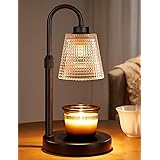
A layered lighting approach is considered optimal. This includes ambient lighting (general room illumination), task lighting (for specific activities), and accent lighting (to highlight features). Various sources, such as floor lamps, table lamps, and wall sconces, should be strategically placed. This combination creates depth, warmth, and functionality within any room.
Managing Clutter and Disorganization
Clutter is a pervasive problem that can quickly overwhelm a space. It often creates a sense of chaos and stress, making a home feel less restful. Surfaces covered with miscellaneous items disrupt visual calm and hinder easy movement.
Effective organization strategies are essential for combating clutter. Storage solutions, such as decorative baskets, shelving units, and hidden compartments, can be integrated. Regular decluttering habits should be established, ensuring that only items that serve a purpose or bring joy are kept. A tidy home immediately feels more spacious and serene.
Achieving Balance with Furniture Placement and Scale
Furniture that is either too large or too small for a room can throw off its entire balance. Similarly, furniture placed awkwardly can impede traffic flow and create uncomfortable seating arrangements. Such missteps often result in a room that feels dysfunctional rather than cohesive.
Before purchasing furniture, room measurements should be taken carefully. A floor plan can be sketched to visualize placement and ensure adequate space for movement. Furniture should be arranged to facilitate conversation and provide clear pathways. Furthermore, incorporating a mix of furniture heights and styles adds visual interest and dynamic appeal.
Refining Details: Advanced Home Decor Considerations
Once the larger elements are addressed, attention can be turned to finer details. These finishing touches often dictate the overall personality and cohesiveness of a home’s design. Avoiding subtle home decor mistakes at this stage elevates the entire space.
Mastering Wall Decor and Art Placement
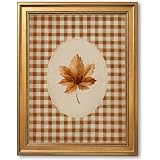
Art and wall decor are powerful tools for personalization, but they are often misused. Pieces that are too small for a wall, hung too high, or poorly grouped can look insignificant or disjointed. This often results in walls that feel either bare or cluttered.
Artwork should ideally be hung at eye level for most viewers. When grouping pieces, a cohesive theme or color palette should be maintained. A gallery wall, if properly executed, can become a stunning focal point. Moreover, considering the scale of the wall and the surrounding furniture when selecting art ensures visual harmony.
Selecting a Harmonious Color Palette
An inconsistent or overwhelming color palette can make a home feel disjointed and visually jarring. When too many disparate colors are introduced without a unifying element, the result is often chaotic rather than cohesive. This common error can undermine an otherwise well-decorated space.
Choosing a primary color scheme and then adding accent colors strategically is a recommended approach. A good starting point often involves using a neutral base and introducing two to three complementary colors. Swatch tests should always be performed on walls before committing to a full paint job. A well-chosen palette creates a sense of calm and continuity throughout the home.
Adding Personalization and Character Thoughtfully
A home that lacks personal touches can feel generic or like a showroom. While a minimalist aesthetic has its place, a space completely devoid of personality may not resonate with its inhabitants or guests. This can lead to a home that lacks soul and unique charm.
Incorporating items that reflect personal history, travels, or passions is highly encouraged. This might include family photographs, curated souvenirs, or handcrafted items. However, these pieces should be displayed thoughtfully to avoid clutter. The aim is to create a narrative within your home that tells your unique story, making it truly one-of-a-kind. These personal touches help prevent many common home decor mistakes related to creating an inviting and warm atmosphere.
Unraveling Your Decor Dilemmas: Q&A
What are common home decor mistakes?
Common home decor mistakes are design choices that can unintentionally make your home feel uninviting or less comfortable. These errors are usually easy to identify and fix to create a more joyful space.
What is ‘curb appeal’ and why is it important?
‘Curb appeal’ refers to how attractive your home looks from the outside. It’s important because it creates the first impression for guests, setting a welcoming tone before they even enter.
How can I improve the lighting in a room?
To improve lighting, use a ‘layered lighting’ approach by combining different light sources like overhead, task (for activities), and accent lights (to highlight features). This creates warmth and functionality.
What’s a simple way to deal with clutter in my home?
A simple way to deal with clutter is to use effective storage solutions like decorative baskets or shelving units. Also, establish habits to regularly declutter, keeping only items that serve a purpose or bring joy.
How can I make my home feel more personal?
Make your home more personal by thoughtfully incorporating items that reflect your history, travels, or passions. These unique touches help tell your story and create a space that truly feels like your own.