The kitchen, often considered the heart of the home, functions as a culinary workspace, a gathering spot, and a central hub for daily life. However, without thoughtful design and organization, this vital space can quickly become cluttered and unwelcoming. Many homeowners desire a kitchen that feels both functional and aesthetically pleasing, reflecting a magazine-worthy charm without the hefty investment of a full renovation. The accompanying video offers practical, budget-friendly strategies to enhance your kitchen’s appeal and efficiency. By focusing on specific, actionable steps, you can significantly elevate your kitchen’s design and functionality, creating a more inviting environment for everyone.
Transform Your Kitchen: Strategic Decluttering and Aesthetic Enhancements
A truly exceptional kitchen begins with a clear foundation. Before introducing any new elements, the first crucial step is to declutter your countertops. This initial action immediately transforms the visual landscape of your kitchen, creating an impression of greater space and light. Imagine if your kitchen currently feels cramped; removing excess items instantly provides a sense of openness.
The Power of a Clear Countertop
Removing items you do not use daily, such as rarely-used blenders or stand mixers, creates a clean backdrop for intentional design. This approach minimizes visual stress and allows the kitchen to breathe, preparing it for subsequent decorative additions. It establishes a serene canvas, allowing carefully chosen decor to truly stand out and make an impact.
Introducing Designer Touches: Lighting, Trays, and Art
Once your countertops are clear, you can strategically introduce elements that add personality and sophistication. These are not merely decorative items but components that contribute to the overall ambiance and perceived value of your kitchen space. Thoughtful layering of these elements helps to soften the often-hard lines of kitchen fixtures.
Illuminate with Countertop Lamps
Countertop lamps offer a unique layer of light that significantly enhances warmth and coziness. Unlike harsh overhead or recessed lighting, a lamp introduces a soft, ambient glow, particularly beneficial in areas without under-cabinet lighting. Furthermore, the fabric shade of a lamp adds a textural dimension, breaking up the smooth surfaces of countertops and cabinetry. Imagine a small, elegant lamp nestled in a corner, casting a gentle light that instantly makes the space feel more intimate and inviting.
Organize with Decorative Trays
Decorative trays are both practical and aesthetically pleasing, providing a designated spot for frequently used kitchen essentials. Whether crafted from woven materials, sleek metal, or reflective mirrored surfaces, a tray helps to corral items like oils, spices, and cooking utensils. This not only keeps items organized but also introduces an additional material layer, which effectively breaks up long stretches of countertop. The unexpected presence of a stylish tray can elevate the space, suggesting a carefully curated design sensibility. Hypothetically, if you have a collection of artisan olive oils and vinegars, arranging them on a rustic wooden tray instantly transforms them from mere ingredients into a charming display.
Integrate Artwork for Character
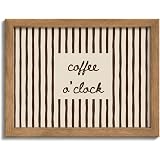
Incorporating artwork into the kitchen can imbue the space with personality and a sense of refinement. A painting or print, whether hung on an available wall or displayed on a countertop easel, introduces an artistic focal point. The key is to select a piece that feels like it could belong in a more formal living area or foyer, then integrate it into the kitchen. This unexpected placement elevates the room, demonstrating a thoughtful approach to home decor. For an added touch of sophistication, consider installing a rechargeable LED art light above the piece, highlighting its details and contributing to the layered lighting scheme.
Softening the Space: The Role of Textiles
Kitchens are inherently filled with hard surfaces, from ceramic tiles and stainless steel appliances to stone countertops and wooden cabinetry. Introducing textiles is essential for softening these elements and creating a warm, welcoming atmosphere. Textiles add visual texture, absorb sound, and contribute to the overall comfort of the room.
Window Treatments for Warmth and Privacy
Thoughtfully chosen window treatments, such as valences, Roman shades, or cafe curtains, introduce a crucial layer of fabric. Beyond their practical functions of offering privacy or blocking undesirable views, they bring a much-needed softness to the window area. Roman shades, for example, can add a tailored elegance, while cafe curtains provide a charming, laid-back appeal, each contributing distinct textural and aesthetic qualities.
Rugs and Functional Fabrics
Area rugs in the kitchen provide both comfort underfoot and an additional opportunity to introduce texture, color, and pattern. Furthermore, functional textiles like dish towels are not merely utility items; selecting beautiful, high-quality options can add a subtle layer of design. Imagine a kitchen with a vibrant rug beneath the sink and coordinating dish towels draped over an oven handle, instantly injecting color and softness into the otherwise utilitarian space. These small elements collectively contribute to a cohesive and inviting aesthetic.
Upholstered Seating for Comfort
Bar stools and kitchen table chairs, while often chosen for durability and ease of cleaning, also represent a significant opportunity for textile integration. While all-wood options are practical, incorporating fabric through woven seats, removable cushions, or slipcovers introduces a layer of softness and texture. This design choice can transform a functional seating area into a comfortable and stylish extension of the kitchen’s overall design. For instance, upholstered bar stools with a performance fabric can withstand spills while still offering a plush, inviting feel.
Optimizing Functionality: Smart Storage Solutions
Beyond aesthetic appeal, a truly great kitchen is highly functional and organized. Strategic storage solutions are paramount for maximizing space and maintaining order. Addressing these practical needs significantly contributes to a stress-free and efficient kitchen environment, making your kitchen better in tangible ways.
Drawer Dividers for Ultimate Organization
Drawer dividers are a no-brainer for maintaining order, yet many kitchens only utilize them for cutlery. Expanding their use to other drawers can dramatically improve organization. Affordable and readily available, dividers can manage everything from Tupperware lids and aluminum foil boxes to baking sheets and serving utensils. This prevents items from shifting and becoming jumbled, ensuring everything has its designated place. Imagine opening a drawer and finding every item neatly sectioned and accessible, saving time and frustration.
Maximizing Upper Cabinet Space with Risers
Upper cabinets, typically 12 inches deep, often suffer from underutilization due to poor visibility and accessibility. Risers are a game-changer for these spaces, allowing you to layer items and fully leverage vertical real estate. Without risers, items pushed to the back become invisible or inaccessible, wasting valuable storage. By introducing risers, you can neatly stack canned goods, glassware, or canisters, ensuring everything is visible and within easy reach, thus making your kitchen better.
Enhancing Lower Cabinet Functionality with Pull-Outs
Lower cabinets, especially those without built-in features, can quickly devolve into unorganized voids. Unlike drawers, accessing items at the back of a deep cabinet can be challenging. Installing pull-out inserts, such as sliding shelves or pot and pan organizers, fundamentally transforms these spaces. These solutions are widely available and can be installed in just a few hours, providing easy access to all contents. Imagine effortlessly pulling out a shelf to retrieve a heavy pot, rather than rummaging through a dark, deep cabinet, significantly improving kitchen efficiency.
The Finishing Touches: Scent and Nature
The final, yet perhaps most impactful, step in making your kitchen better involves engaging the senses. These small, affordable additions can instantly elevate the atmosphere, making the space more welcoming and enjoyable for residents and guests alike.
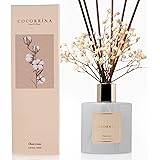
Adding a scented candle to your kitchen introduces a subtle fragrance that can transform the room’s ambiance. Choose scents that evoke comfort or freshness, complementing the kitchen’s purpose without overpowering it. This sensory detail creates an immediate impression of a well-cared-for home. Complementing this, a vase of fresh flowers or a thriving plant injects natural beauty and life into the space. These organic elements provide visual softness and a connection to nature, contributing to a tranquil and inviting environment. Ultimately, these simple kitchen upgrades create a home that truly inspires you, making your kitchen a place you love to be.
Your Questions for a 1000X Better Kitchen, Answered
What is the first step to making my kitchen better without a big renovation?
The first crucial step is to declutter your countertops. This instantly makes your kitchen look more spacious and lighter, creating a clear foundation for further improvements.
How can I add some style to my kitchen countertops?
You can add designer touches by placing a small countertop lamp for soft lighting, using decorative trays to organize essentials like oils, and incorporating artwork on a wall or easel.
My kitchen feels very hard with all the appliances; how can I make it feel cozier?
Introduce textiles! Add window treatments like Roman shades or cafe curtains, place an area rug for comfort, and even use beautiful dish towels to add softness and texture to the space.
What are some easy ways to organize my kitchen drawers and cabinets?
Use drawer dividers to keep items neat, cabinet risers in upper cabinets to utilize vertical space, and pull-out inserts in lower cabinets for easy access to contents.
What small things can I add to make my kitchen more welcoming?
Add a scented candle to create a pleasant aroma, and place fresh flowers or a thriving plant to bring natural beauty and life into the room.