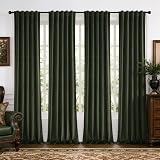
Industry projections reveal that approximately 70% of homeowners and interior design enthusiasts are actively seeking foresight into emerging decor trends, influencing procurement and design schemes well in advance of their mainstream adoption. The visual compendium presented above offers a preliminary glimpse into the aesthetic sensibilities being cultivated for future living environments. This deeper dive, however, is intended to dissect the nuanced factors and foundational shifts shaping the 2025 Modern Decor Trends, providing an expert perspective on the forthcoming evolution of residential and commercial interiors.
Understanding these directional shifts is paramount for professionals and discerning individuals alike, as the confluence of technological advancement, environmental consciousness, and a renewed focus on personal well-being are collectively redefining design paradigms. The transition from merely aesthetic considerations to holistic, experiential spaces is becoming increasingly pronounced. While previous years might have emphasized singular stylistic movements, the impending era is characterized by a sophisticated integration of diverse influences, creating environments that are both visually compelling and profoundly functional.
The Evolving Aesthetic of 2025 Modern Decor Trends
The design lexicon for 2025 is predicated upon a sophisticated interplay between established principles and innovative applications, where biophilic integration and seamless technological interfaces are observed to be key differentiators. These foundational elements are not merely decorative but are integral to fostering environments that support occupant well-being and operational efficiency. The conventional approach to interior styling is being supplanted by a more deliberate, systems-oriented perspective, wherein every design choice contributes to a cohesive experiential narrative.
Recent industry analyses indicate a projected 15% increase in consumer demand for sustainably sourced decor by early 2025, underscoring a pivotal shift towards conscious consumption. This imperative is often juxtaposed with an appreciation for advanced automation, creating a dichotomous yet harmonious design philosophy. For instance, a beautifully crafted natural wood table might be seamlessly integrated with inductive charging capabilities, presenting a blend of organic warmth and cutting-edge convenience. This sophisticated balance ensures that modern living remains both aesthetically pleasing and inherently adaptable to future needs.
Biophilic Design’s Persistent Ascendancy
The profound connection between human well-being and natural environments continues to drive the integration of biophilic design principles within contemporary interiors. This is not merely about introducing houseplants but involves a holistic strategy that incorporates natural light, organic materials, and patterns reminiscent of natural forms into architectural and spatial compositions. The deliberate incorporation of living walls, water features, and expansive views to the outdoors is often prioritized, enhancing a sense of calm and productivity. This strategic embedding of nature’s calming presence is observed to reduce stress levels and elevate cognitive function, transforming spaces into veritable sanctuaries.
Conversely, while the aesthetic appeal of natural elements is undeniable, their maintenance requirements and integration into urban settings can present design challenges. However, innovative solutions such as low-maintenance native plant species and advanced hydroponic systems are increasingly being employed to mitigate these complexities. The objective is to blur the boundaries between indoor and outdoor spaces, creating a fluid transition that nurtures psychological comfort and physiological health. This overarching design philosophy emphasizes that nature’s embrace is fundamental, rather than merely incidental, to modern living.
Technological Integration and Seamless Living
The infiltration of smart home technologies into residential and commercial spaces is evolving beyond mere gadgetry, transitioning into an invisible yet omnipresent force that optimizes daily living. Systems are now engineered for intuitive operation, becoming extensions of the environment rather than separate devices requiring explicit interaction. Voice-activated controls for lighting, climate, and entertainment are becoming standard, often integrated so subtly that their presence is only felt through their seamless functionality. This emphasis on inconspicuous integration ensures that technology enhances life without imposing a sterile or overly futuristic aesthetic.
In contrast to the overt displays of early smart home trends, the 2025 paradigm advocates for a ‘less is more’ approach, where technology serves as an unseen facilitator. For instance, smart windows that automatically adjust tinting based on solar gain are becoming commonplace, optimizing energy efficiency and light quality without user intervention. This level of environmental responsiveness is often compared to a ship’s automated navigation system, where complex operations are managed effortlessly in the background. The goal is to create spaces that anticipate needs and adapt dynamically, providing an unprecedented level of comfort and efficiency.
The Curated Maximalism vs. Refined Minimalism Paradox
The design landscape for 2025 is often characterized by a fascinating dichotomy, wherein the principles of refined minimalism and curated maximalism coexist and even influence one another. Minimalism, with its emphasis on clean lines, decluttered spaces, and purposeful functionality, continues to command respect for its inherent elegance and timeless appeal. Conversely, curated maximalism is observed to embrace a rich tapestry of textures, patterns, and personal collections, yet it does so with a discerning eye for coherence and narrative, avoiding mere clutter. These two seemingly opposing philosophies are often reconciled through thoughtful application.
While minimalism seeks tranquility through reduction, maximalism achieves it through intentional abundance, telling a story through carefully selected objects and vibrant compositions. For example, a minimalist living area might feature a single, dramatic piece of art that serves as a focal point, imbuing the space with character without sacrificing its serene aesthetic. Conversely, a maximalist room might exhibit a diverse collection of artifacts, yet each item is chosen for its historical significance or artistic merit, contributing to a harmonious visual symphony rather than an arbitrary accumulation. This sophisticated blend ensures that spaces are not only visually striking but also deeply reflective of their inhabitants.
Material Innovation and Tactile Sensibilities
The selection of materials in 2025 is increasingly informed by a dual mandate: environmental stewardship and an enhanced sensory experience. A notable trend report indicates that 35% of interior designers anticipate a significant shift towards more tactile and experiential material choices in residential projects next year. This paradigm emphasizes not only the visual appeal of surfaces but also their inherent touch and textural qualities, contributing to a more immersive and comfortable environment. Consequently, material science is being leveraged to produce novel substances that are both aesthetically pleasing and ecologically responsible.
Furthermore, the provenance and life cycle of materials are receiving unprecedented scrutiny, moving beyond superficial considerations of aesthetics alone. This rigorous evaluation often includes assessing factors such as carbon footprint, recyclability, and ethical sourcing, elevating sustainability from a niche concern to a central tenet of modern design. The impact of these choices resonates throughout the entire supply chain, fostering a more conscientious approach to product development and material specification. Thus, the integrity of a material is now evaluated as comprehensively as its design potential.
Sustainable Sourcing and Circular Economy Principles
The imperative for sustainable sourcing is no longer an optional add-on but an intrinsic component of modern design, particularly within the 2025 home decor trends. Designers are increasingly prioritizing materials that are recycled, upcycled, or renewable, contributing to a circular economy model where waste is minimized and resources are conserved. This includes everything from furniture crafted from reclaimed timber to textiles woven from recycled plastic bottles, demonstrating a commitment to environmental regeneration. The utilization of post-consumer waste materials is transforming perceptions of luxury and quality.
In contrast to the linear ‘take-make-dispose’ model, circular design principles advocate for products that are designed for longevity, repairability, and eventual reintegration into the production cycle. This holistic approach ensures that materials retain their value for as long as possible, significantly reducing ecological impact. For example, modular furniture systems that can be easily disassembled and reconfigured, or even components that are engineered for composting, are becoming more prevalent. The underlying philosophy is that every object should have a defined, sustainable lifecycle, mirroring nature’s own regenerative processes.
Textural Play and Sensory Engagement
The sensory dimension of interior design is gaining significant traction, with a pronounced emphasis on textural play to create environments that are rich in tactile experience. Surfaces are being chosen not just for their visual properties but for how they feel to the touch, engaging another vital sense. Plush velvets, raw woods with pronounced grain, cool polished metals, and inviting bouclé fabrics are often juxtaposed to create a layered sensory landscape. This deliberate orchestration of textures adds depth and warmth, inviting physical interaction with the space.
While smooth, minimalist surfaces have their place, the 2025 aesthetic is often characterized by a rejection of purely sterile environments in favor of spaces that feel more lived-in and inviting. For instance, a concrete wall might be softened by a richly textured wool rug, creating a dialogue between industrial robustness and organic softness. This interplay of hard and soft, rough and smooth, is integral to crafting dynamic and engaging interiors. The goal is to stimulate touch and evoke a sense of comfort and authenticity, creating spaces that feel as good as they look.
Color Palettes and Mood Creation for 2025
The psychological impact of color on human emotion and behavior is being meticulously leveraged in the modern decor predictions for 2025, with palettes carefully selected to evoke specific moods and foster desired atmospheres. There is a perceptible shift towards more grounding, earth-inspired tones, often complemented by unexpected vibrant accents that inject vitality. These color schemes are observed to create a sense of stability and connection to the natural world, fostering environments that are both calming and subtly energizing. The strategic application of color is akin to orchestrating a symphony of emotions within a given space.
Studies suggest that approximately 60% of homeowners are now prioritizing wellness features, including calming color schemes, in their home renovation plans, underscoring the importance of thoughtful chromatic choices. This nuanced approach to color moves beyond mere aesthetic preference, delving into the realm of color psychology to enhance mental and emotional well-being. For example, soft greens and muted blues are frequently specified for bedrooms and study areas, promoting relaxation and focus. Conversely, bolder hues might be selectively employed in social zones to stimulate conversation and creativity.
Earthy Neutrals with Vibrant Accents
The foundation of many 2025 color schemes is deeply rooted in earthy neutrals, providing a sense of grounding and timeless sophistication. Warm beiges, muted greys, soft terracottas, and deep forest greens are frequently employed as primary colors, creating a serene and inviting backdrop. These foundational tones are often compared to a carefully prepared canvas, ready to receive more expressive strokes. The inherent versatility of these natural hues allows them to seamlessly integrate with diverse design elements and varying light conditions.
However, to prevent these neutral bases from becoming monotonous, designers are skillfully introducing vibrant, often unexpected, accent colors. These might include pops of rich ochre, deep sapphire, or even a bold fuchsia, strategically placed to draw the eye and inject personality. For instance, a living room dominated by warm taupes and natural wood might feature a single armchair upholstered in a striking emerald green, providing a focal point and an element of surprise. This balance between calming neutrals and energetic accents ensures spaces are both harmonious and dynamically engaging.
Serene Blues and Greens for Tranquility
The intrinsic calming properties of blues and greens continue to position them as preferred choices for creating tranquil and restorative environments. These colors, reminiscent of oceans, skies, and lush landscapes, are extensively utilized in areas dedicated to relaxation and contemplation. Soft sage greens, dusty blues, and deep teal tones are often specified for bedrooms, bathrooms, and meditation spaces, fostering a sense of peace and mental clarity. The psychological impact of these hues is often likened to the soothing effect of spending time in nature.
While cooler tones generally evoke serenity, the saturation and specific shade are critical in determining their ultimate effect. A vibrant, energetic blue might stimulate rather than calm, contrasting sharply with the intended tranquil atmosphere. Therefore, softer, desaturated versions are frequently chosen to maintain a peaceful ambiance. These serene palettes also pair beautifully with natural materials like untreated wood and light-colored stone, amplifying the biophilic connection. The overarching goal is to create sanctuaries within the home, insulating occupants from external stressors.
Furniture Design and Spatial Dynamics
The evolution of furniture design in 2025 is being characterized by a pronounced emphasis on adaptability and organic forms, mirroring a broader societal shift towards flexibility and natural aesthetics. Pieces are increasingly conceived not as static objects but as dynamic components within a larger spatial ecosystem, capable of evolving with changing needs and preferences. This philosophy underscores the importance of intelligent design that transcends mere utility, contributing significantly to both functionality and visual appeal. The furniture pieces are often perceived as sculptural elements that define and enhance the surrounding space.
In contrast to rigid, fixed layouts of previous decades, contemporary spatial planning for 2025 prioritizes fluid transitions and multi-functional zones, demanding furniture that supports such versatility. This imperative has led to innovative solutions in modularity and reconfigurability, allowing spaces to effortlessly transform. The goal is to maximize the utility and aesthetic potential of every square foot, particularly in urban environments where space is a premium. Therefore, furniture is increasingly designed to be a proactive element in spatial organization rather than a passive occupant.
Modular and Multifunctional Furnishings
The adaptability inherent in modular and multifunctional furnishings addresses the contemporary need for flexible living environments, particularly within urban dwellings where space optimization is paramount. Sofas that can be reconfigured into various seating arrangements or even daybeds, tables that expand or retract, and storage units that double as seating are increasingly becoming standard offerings. These intelligent designs allow spaces to transition seamlessly between different uses, such as a dining area converting into a workspace. This flexibility is often compared to a sophisticated mechanical system, where parts can be rearranged for different operational modes.
Conversely, while the practicality of modular furniture is undeniable, the aesthetic integration can sometimes be challenging if not executed thoughtfully. Designers are therefore focusing on clean lines and understated profiles to ensure these versatile pieces maintain an elegant and cohesive appearance, even when reconfigured. The use of high-quality, durable materials is also crucial, ensuring that frequent reassembly does not compromise structural integrity. This commitment to both form and function ensures that versatility is never achieved at the expense of design integrity, aligning with the sophisticated demands of 2025 modern decor trends.
Trending Transformations: Your 2025 Modern Decor Q&A
What are the main ideas behind 2025 modern decor trends?
The trends for 2025 focus on creating spaces that are not just beautiful but also support personal well-being, integrate technology seamlessly, and are environmentally conscious.
What is ‘biophilic design’ in home decor?
Biophilic design is about bringing natural elements like light, plants, and organic materials into indoor spaces. It aims to connect people with nature to improve well-being and create calm environments.
How is technology used in 2025 home decor?
Technology in 2025 homes is designed to be subtle and seamlessly integrated, often hidden and intuitive. It enhances daily living without imposing a futuristic look, like smart windows or voice-activated controls.
What kind of materials are popular for 2025 home decor?
Popular materials for 2025 emphasize sustainability, such as recycled or renewable options, and also focus on tactile qualities like plush fabrics, raw woods, and cool metals to engage the senses.
What are the trending colors for home decor in 2025?
The trend is towards calming, earthy neutrals like warm beiges, muted greys, and deep forest greens, often brightened with vibrant accent colors. Serene blues and greens are also popular for tranquil spaces.