Eliminating Visual Distractions: Crafting Serenity
Visual noise can quickly diminish even the most beautiful room. It creates a sense of unease. Removing these common distractions is your first step. This will help your home breathe.Cable Chaos: Unseen Tangled Wires
Unruly cables are a major culprit for visual disruption. They break clean lines. Wires draw the eye away from intentional design. This makes a space feel messy. Research suggests that visible clutter, including tangled wires, can elevate stress levels. Instead, invest in cable management solutions. Use cord raceways. Hide wires behind furniture. Consider wireless alternatives for lamps or speakers. A tidy wiring system brings immediate calm. It significantly elevates your home’s appearance.Doorstop Decor: A Fumbled First Impression
Your entryway is your home’s introduction. It should invite, not overwhelm. Too many items here create friction. Baskets, umbrellas, and large vases often contribute to this clutter. Studies confirm that first impressions matter deeply. Simplify this crucial area. Opt for one sculptural bowl for keys. A striking piece of art can make a statement. Warm, ambient lighting provides a welcoming glow. Let your entryway whisper “calm.” This projects a sophisticated vibe.Busy Gallery Walls: Less is Truly More
Gallery walls can be stunning artistic statements. However, they easily become frantic. The common mistake is overfilling walls. Too many frames create visual overload. The eye needs a place to rest. Instead, prioritize fewer, larger pieces. This creates authority and impact. Alternatively, try a precise grid layout. Use evenly spaced frames in matching tones. Intentional restraint signals high-end design. It ensures your art truly shines.Micro-Decor Overload: The Fragmentation of Tiny Trinkets
Small trinkets, bowls, and candles, when scattered, fragment a room. Nothing stands out when everything is small. This dilutes visual impact. Design principles advocate for grouping. Designers curate small items into vignettes. They tell a story. Give these collections room to breathe. Space is a luxury in itself. It allows curated pieces to command attention. This elevates your home’s perceived value.Visual Clutter: The Unseen Mental Burden
Clutter is not always obvious. It can be piles you’ve stopped seeing. Half-decorated surfaces add to mental noise. Overflowing baskets contribute to this silent chaos. Unseen clutter impacts well-being. Address one surface at a time. Clear a countertop completely. Observe your body’s reaction. That sense of peace is design working for you. Hidden storage solutions also help maintain a pristine look. This makes your home feel more expensive.Mastering Proportion and Scale: The Foundation of Elegance
Correct proportion is fundamental to luxurious design. It grounds your spaces. It creates visual balance. Missteps here can make rooms feel disjointed.Rugs That Are Too Small: Floating Furniture Syndrome
A rug defines and grounds a seating area. A rug too small makes furniture float. This creates an unsettled feeling. The room appears disconnected. Design standards dictate proper rug sizing. The front legs of your furniture should sit on the rug. This simple rule connects the layout. It instantly makes a room feel larger. It feels more intentional. Proportion, not price, dictates elegance.Too Many Cushions: Sacrificing Comfort for Clutter
If your sofa requires an obstacle course to sit, it’s time to edit. Too many cushions detract from comfort. They make a space feel overstuffed. Comfort is a hallmark of luxury design. Choose two or three high-quality cushions. They should invite you to relax. Opt for larger, well-filled inserts. This promotes a feeling of ease. Quality over quantity always makes a statement.Refining Materials and Finishes: Elevating Tactile Experiences
The textures and finishes you choose speak volumes. They impact a room’s overall feel. Thoughtful selection creates cohesion. It adds depth and character.Over-Matched Cushions: Escaping Predictability
Matching cushions feel safe, yet design thrives on contrast. Identical cushions flatten a space. It loses depth and dimension. This creates a monotonous effect. Instead, mix different textures. Combine varied scales. Play with subtle tonal differences within one palette. A boucle throw with linen cushions offers rich tactile appeal. Velvet pillows beside cotton ones provide sophisticated contrast.Outdated Bedding Sets: From Staged to Serene
The glossy, coordinated bedding sets of the past look dated. They make a bedroom feel staged. A truly luxurious bedroom invites relaxation. It feels lived-in, yet elevated. Layer neutral textures instead. Mix cotton, linen, and wool fabrics. The goal is peace, not perfection. A naturally made bed looks more luxurious. This creates an inviting sanctuary.Too Many Metals: The Battle for Cohesion
Mixing metals can be stunning. However, it requires intention. Different finishes create visual tension. Chrome, brass, black, gold all have distinct personalities. When they compete, a space looks accidental. Pick one dominant metal finish. Repeat it throughout the space. Let another tone complement, not compete. Consistency creates visual calm. Calm universally reads as luxury.Dated Hardware: The Jewelry of Your Home
Hardware is your home’s jewelry. Old chrome knobs or yellow brass date cabinetry. They instantly detract from overall appeal. Updating hardware offers an affordable uplift. Research shows small details greatly impact perception. Replace them with brushed metal. Matte black or aged brass elevate cabinets. Choose finishes that complement your palette. These small changes make a big shift. They significantly boost your home’s expensive look.Fabric Fatigue: Renewing Your Textiles
We become accustomed to our home textiles. Faded cushions or tired curtains dull the atmosphere. Textiles carry emotion and energy. Worn fabrics diminish a room’s vibrancy. Refresh them regularly. Rotating seasonally keeps a home alive. Linen and cotton suit summer. Wool and boucle add warmth in winter. This creates visual movement. It injects new life into your spaces.Cheap Frames and Mirrors: Value in Presentation
Art deserves a proper presentation. Plastic or glossy frames cheapen prints. They make beautiful pieces look temporary. The frame communicates value. Studies show presentation matters. Reframe art with timber or black metal. Consider painted thrift finds. It is about care, not cost. A thoughtful frame elevates the artwork. It also enhances the entire room.Activating All Dimensions: Floor, Ceiling, and Scent
Design extends beyond eye level. It encompasses every surface. Even scent shapes a home’s atmosphere. Attention to these elements adds profound depth.Ignoring Ceiling and Floors: The Fifth Wall Potential
Many people focus only on walls. They forget the ceiling and floors. Yet, these two surfaces define atmosphere. The ceiling is often called the “fifth wall.” It frames everything below. Try painting the ceiling one shade darker for warmth. Add panel detailing for architectural depth. On the floor, use rugs to connect spaces. Runners guide the eye. Texture grounds the room. Design is truly all-encompassing.Artificial Fragrance Overload: The Subtle Scent of Sanctuary
Scent sets a home’s mood. Too much artificial fragrance cheapens the experience. Plug-ins, sprays, and mixed candles clash. A home can smell like a department store. Sophisticated homes whisper. Choose one signature scent. Keep it subtle and refined. A single high-quality diffuser works wonders. A beloved candle is enough. This creates a consistent, inviting ambiance.Curating with Intention: The Heart of Elevated Design
Intentionality underpins truly luxurious spaces. Every item serves a purpose. Every surface is considered. This approach brings harmony.Over-Styled Shelves: Embracing Negative Space
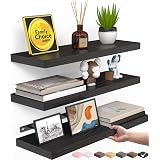
Over-styled shelves are a common styling error. Filled shelves feel cluttered. They suggest decor for decor’s sake. Negative space, or white space, embodies elegance. It allows items to be seen. Style in odd numbers for visual interest. Vary heights and depths. Mix materials like wood, glass, and ceramic. A great shelf feels effortless. It invites the eye to linger.Fake Plants and Plastic Florals: The Appeal of Authenticity
Real plants bring life and imperfection. This is precisely what makes them beautiful. Faux foliage, while practical, rarely feels authentic. It can look static and lifeless. Authenticity is key. If real plants are challenging, choose sculptural dried stems. Preserved greenery offers natural warmth. They add organic texture. Guests feel this genuine touch.Guilt Furniture: Liberating Your Living Space
The hardest items to remove often carry guilt. That expensive sofa that doesn’t fit. A cabinet you never truly liked. They occupy mental and physical space. Design is about evolution. If something doesn’t serve you, free it. Sell it, rehome it, or donate it. Let your home grow with you. This liberates space and energy. It allows you to create an even more expensive-looking home.Harsh Colours and Patterns: The Power of Restraint
Color holds immense emotional power. Too much saturation or contrast creates visual tension. It overwhelms the senses. The eye needs respite. Restraint allows beauty to shine. Designers balance contrast with calm. Use a neutral base palette. Introduce warmth or depth with accessories. Let intentional color moments stand out. This creates a serene, high-end feel.Design Without Intention: The Ultimate Removal
The most impactful thing to remove is a lack of intention. Every room should support your desired life. How you rest, gather, and work matters. When design aligns with purpose, everything falls into place. You will feel calmer and lighter. Your home will truly feel like your own. The most beautiful homes are not the fullest. They are the most considered. Start small. Focus on one room or one shelf. With every edit, you elevate your home. You also elevate how you live, creating a truly luxurious environment.Curating Your Expensive-Looking Home: Q&A
What is the main idea behind making a home look more expensive?
Instead of adding more items, the key is to thoughtfully remove clutter and curate your space with intention. This approach creates a more polished and luxurious aesthetic.
What are some common visual distractions I should remove from my home?
Focus on eliminating tangled wires, excessive items in your entryway, busy gallery walls with too many small frames, and scattered micro-decor. Removing these helps a space feel calmer and cleaner.
How important is rug size for making a room look good?
Rug size is crucial for grounding a seating area; a rug that is too small makes furniture look disconnected. Ensure the front legs of your furniture sit on the rug to make the room feel larger and more intentional.
What’s a simple way to update the look of my cabinets or furniture?
Updating dated hardware, like old chrome or yellow brass knobs, with modern finishes such as brushed metal or matte black, can significantly boost your home’s expensive look for an affordable cost.
Should I use fake plants to decorate my home?
Real plants bring authentic life and organic texture to a space, making it feel more genuine and beautiful. If real plants are difficult to maintain, consider sculptural dried stems or preserved greenery instead of plastic florals.