The video above aptly highlights a common misconception: achieving a beautifully designed home is often thought to demand an enormous budget or adherence to rigid rules. However, spaces that truly feel elevated and intentional are frequently defined by subtle choices and what is consciously omitted. Many common decor mistakes inadvertently cheapen a home’s aesthetic, making it feel less cohesive or inviting. This article aims to expand on these critical points, providing actionable strategies that elevate your living space without requiring a significant financial outlay. Simple adjustments in your approach to home decor can completely transform a room’s atmosphere, making it feel more refined and personal.
Avoiding Common Decor Mistakes That Diminish Your Home’s Appeal
A truly curated home tells a unique story, reflecting the personality and experiences of its inhabitants. Achieving this look often involves understanding foundational design principles that act as gentle guides rather than strict mandates. Here, we delve deeper into four key areas where small changes can yield significant improvements, preventing those easily made decor mistakes from detracting from your home’s inherent charm.
1. Moving Beyond Harsh Overhead Lighting
One of the most pervasive decor mistakes often encountered in residential settings is reliance on a single, central overhead light source. While practical for general illumination, this type of lighting tends to flatten a room, washing out textures and creating stark shadows. The overall mood of a space can be shattered by this unforgiving glare, making it feel less welcoming and more utilitarian. Imagine stepping into a beautifully furnished room, only for its ambiance to be undermined by a harsh, singular light source; the carefully chosen textures and colors become muted and lifeless.
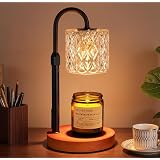
A sophisticated alternative involves a deliberate shift towards layered ambient lighting. This strategy does not require expensive rewiring projects but rather the thoughtful placement of various light sources throughout the room. By incorporating table lamps, floor lamps, wall sconces, and even dimmers, distinct pockets of soft light are created. This approach adds depth, warmth, and intimacy to a space, making it feel profoundly inviting. Different lighting levels can highlight architectural features, artwork, or cozy seating areas, guiding the eye and enhancing the perceived richness of the interior. Soft, diffused light is paramount for establishing a comfortable and elegant atmosphere.
2. Embracing Negative Space in Home Decor
Another common oversight that can make a home feel less refined is a complete aversion to empty space. There is a natural inclination to fill every available surface and wall with beloved possessions. While surrounding oneself with cherished collections can bring immense joy, in the realm of interior design, deliberately leaving certain areas quiet allows a room to truly breathe. This concept, known as negative space, is not about creating a stark or minimalist environment but rather about strategic editing. Items are given room to shine when they are not competing for attention with an abundance of other objects.
Consider the visual impact of a carefully arranged vignette on a console table where one or two select items are prominently displayed, surrounded by ample empty space. Now, imagine that same table crammed with numerous small objects, each vying for notice. The former feels intentional and elegant, allowing the beauty of each piece to be appreciated, whereas the latter often appears cluttered and overwhelming. The effective use of negative space can be applied to walls, shelves, and tabletops. A single piece of art on a large wall, for instance, can command more presence than several smaller frames haphazardly arranged. This conscious choice allows the eye to rest, highlighting the most meaningful elements within the room and preventing your space from being perceived as chaotic.
3. The Power of Live Greenery Over Static Faux Plants
While artificial plants offer convenience and durability, they often contribute to a somewhat stiff or lifeless feeling in a room. The inclusion of real, perfectly imperfect greenery brings an undeniable sense of effortless, organic movement that static faux versions simply cannot replicate. Live plants introduce a natural element that connects occupants to the outdoors, enhancing well-being and adding a vibrant touch of life to any interior. Imagine a living room adorned with a plastic fern versus one featuring a thriving fiddle leaf fig or a vibrant bouquet of fresh-cut flowers; the difference in energy and authenticity is palpable.
Although fresh flowers may represent an added expense due to their fleeting nature, their temporary magic is precisely what makes a room feel so special and alive. The changing seasons of blooms provide a dynamic element that continuously refreshes a space. Beyond cut flowers, incorporating longer-lasting real plants such as snake plants, pothos, or succulents can offer ongoing natural beauty with minimal maintenance. These living elements not only contribute to improved air quality but also introduce varied textures, colors, and forms that are impossible to perfectly replicate artificially. Their presence subtly elevates a room, infusing it with a breath of fresh air and an undeniable sense of vitality.
4. Curating Your Home’s Story: Avoiding “All-At-Once” Decor
Finally, a major contributor to a home feeling generic rather than genuinely personal is the “all-at-once” decor approach. This typically involves purchasing entire matched sets of furniture and accessories from a single store display. While a coordinated look can initially bring a sense of peace and order, an entire room furnished in this manner often lacks the depth, character, and feeling of a life well-lived. Your home should be a reflection of your journey, not just a showroom for mass-produced items. Imagine entering a friend’s home that feels exactly like a furniture store catalog versus one filled with unique pieces collected over time, each telling a distinct story; the latter immediately feels more authentic and inviting.
There is an inherent beauty in the charm of the collected. This involves patiently mixing and layering different eras, wood tones, textures, and styles over time. A mid-century modern credenza can beautifully complement a contemporary sofa, and a vintage rug can ground a room furnished with newer pieces. This deliberate curation allows your home to develop a personal soul, encouraging lingering and exploration. By incorporating items acquired from travels, antique shops, family heirlooms, or artisanal markets, your space becomes a rich tapestry of experiences. This thoughtful, evolving approach prevents many common decor mistakes, ensuring your home feels deeply personal and authentically you.
Decor Disasters Demystified: Your Q&A
Why is relying on just one overhead light a common decor mistake?
A single overhead light can make a room feel flat and less welcoming by creating harsh shadows and washing out textures and colors.
What is ‘negative space’ in home decor and why is it important?
Negative space means intentionally leaving some areas empty. It helps a room feel less cluttered, allowing individual decor items to stand out and the space to ‘breathe’.
Should I use real or artificial plants to decorate my home?
The article suggests using real plants or fresh flowers over artificial ones because they bring natural vitality, organic movement, and a sense of life to a room.
Why shouldn’t I buy all my furniture as a matching set from one store?
Buying all matching furniture can make your home feel generic and lack personal character. Mixing different styles and collected pieces over time makes your home feel unique and tells a story.