The landscape of interior design is in a perpetual state of evolution, with discerning homeowners and design professionals continually seeking fresh inspiration to elevate their spaces. As we navigate towards 2025, a significant shift is becoming evident, moving away from transient fads and embracing more authentic, layered, and nature-connected aesthetics. Industry reports and leading designers concur: the upcoming year promises a rich tapestry of styles that blend cultural philosophies with contemporary needs. According to the Belysse Interior Trends 2025 report, there’s a strong emphasis on natural materials and a ‘folklore trend’ valuing authenticity, highlighting a collective yearning for spaces that offer genuine connection and tactile experiences.
The insightful video above from Penny Modern, featuring designer Carrie, unveils seven pivotal 2025 interior design trends poised to dominate residential and commercial aesthetics. This article expands upon those critical insights, delving deeper into the nuances of each emerging style and providing actionable strategies to integrate them into your environment. We will also explore the three major trends that are definitively on their way out, ensuring your design choices remain current and compelling.
Embracing Japanese-Inspired Serenity: Wabi-Sabi and Japandi
A profound appreciation for Japanese design philosophy is set to sweep through interior spaces in 2025, manifesting in two distinct yet complementary styles: Wabi-Sabi and Japandi. These movements champion tranquility, intentionality, and a deep connection to natural forms and materials.
The Imperfect Beauty of Wabi-Sabi
Wabi-Sabi is more than just a design trend; it is a Japanese aesthetic philosophy centered on the acceptance of transience and imperfection. This approach celebrates the beauty found in natural, flawed, and aged objects, imparting a sense of history and profound character to any room. As noted by designer Loren Kreiss and echoed in the Belysse Interior Trends 2025 report, the core of Wabi-Sabi lies in natural materials, imperfect textures, and a weathered look.
Achieving a Wabi-Sabi aesthetic involves selecting materials that tell a story. Think hand-thrown pottery with subtle irregularities, weathered wood that reveals its grain, or stone bearing natural dents and divots. These elements are not just decorative; they are tactile reminders of time and nature’s artistry. Esteemed designers like Amber Lewis of Amber Interiors exemplify this trend, integrating large ceramic vases, raw stonework, and aged wooden pieces to create luxurious, yet grounded, environments. Incorporating a handmade ceramic vase or a rustic wooden bowl can instantly introduce this soulful imperfection, transforming a generic space into one rich with understated elegance and unique craftsmanship.
Japandi: The Harmonious Fusion of East Meets West
Beyond Wabi-Sabi, the hybrid style known as Japandi continues its ascent, offering a refined blend of Japanese minimalism and Scandinavian functionality. This design philosophy marries the stark, utilitarian aesthetic of Nordic design with the organic warmth and natural materials inherent in Japanese tradition. The result is a highly functional, minimalist design that exudes peace, coherence, and an undeniable connection to nature.
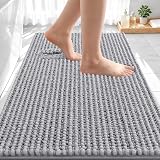
Japandi interiors typically feature clean lines, a muted color palette, and an emphasis on natural light. Materials such as bamboo, cork, and light-toned woods are paramount, often seen in flooring, furniture, and decorative accents. Consider a low-slung wooden bench or a neutral, utilitarian rug in shades of beige or ecru to anchor a space with Japandi principles. These elements are chosen for their quiet beauty and practical application, fostering an environment that is both aesthetically pleasing and profoundly usable. Furthermore, integrating bamboo cutting boards or simple woven baskets can subtly infuse this serene, functional elegance into daily living.
Dynamic Finishes: Mixing Metals and Copper’s Resurgence
In 2025, interior design moves beyond monolithic metallic schemes, embracing a more diverse and layered approach to metal finishes. This trend encourages combining different metals to create visual interest, depth, and a bespoke feel in various spaces, from kitchens to bathrooms.
Strategic Metal Combinations
The strategic mixing of metals is poised to become a significant design statement. As designer Joshua Smith astutely observes, “Mixed metals will be a hit in bathrooms and beyond, allowing combinations like brass with black or bronze and nickel for a balanced look.” This approach allows for greater personalization and avoids the sterility that can sometimes accompany single-metal schemes. For instance, pairing the warm gleam of brass with the stark modernity of black fixtures creates a sophisticated contrast, while bronze and nickel offer a softer, more integrated blend of finishes.
Beyond fixtures, consider how mixed metals can influence decorative elements. A metal-framed mirror featuring a copper finish or a multi-metal candle holder can serve as elegant focal points. Even subtle changes, such as swapping out cabinet hardware for a mix of copper pulls and brass knobs, can dramatically update a space, reflecting a thoughtful and current design sensibility.
Copper’s Warm Comeback
Amidst the trend of mixed metals, copper is specifically making a robust comeback, infusing spaces with its unique warmth and rich patina. Historically valued for its beauty and utility, copper brings an organic, inviting glow that cooler metals cannot replicate. Its resurgence signals a desire for more comforting and earthy tones within the metallic palette.
The versatility of copper allows for its integration in myriad forms. The Lone Fox notably demonstrated its impact by wrapping a dishwasher in copper, showcasing a bold and innovative application. For a less intensive approach, homeowners can introduce copper through decorative items like vases, serving trays, or even a statement light fixture. Copper’s inherent ability to age gracefully, developing a distinctive patina over time, further enhances its appeal, aligning with the Wabi-Sabi appreciation for natural wear and character.
Nature’s Embrace: Earthy Palettes and Biophilic Design
Connecting with the natural world remains a paramount theme in 2025 interior design, evolving into more sophisticated expressions through earthy color palettes and comprehensive biophilic design principles. These trends aim to create tranquil, grounded environments that foster well-being and a sense of calm.
Earthy, Warm Color Palettes
The foundation of a nature-inspired interior often begins with its color scheme. In 2025, earthy, warm color palettes will be essential, featuring rich browns, muted greens, and terracotta. These tones are not merely colors; they are mood-setters, designed to evoke a cozy, grounded atmosphere that seamlessly connects inhabitants with the natural world. Molly Kidd, a respected designer, advocates for using “brown where most people might expect to see black, mixing textures to keep it earthy rather than sludgy,” illustrating a nuanced approach to these foundational hues.
Major paint brands are mirroring this shift, with their 2025 Color of the Year selections reflecting a collective move towards natural, comforting shades. Benjamin Moore’s “Cinnamon Slate,” described as a delicate mix of heather plum and velvety brown, promises versatility and coziness. Sherwin Williams’ Chrysalis palette reinforces this trend with colors like “Grounded,” a warm neutral, and “Sealskin,” a deep, earthy brown. Incorporating these colors through upholstery, accent walls, or decor pieces can transform a space into a serene, organic sanctuary, fulfilling the collective craving for calm and connection.
Biophilic Design: Bringing the Outside In
The concept of “bringing the outside in” is no longer just about a few houseplants; it’s maturing into a holistic approach known as biophilic design. This mega-trend, recognized by designers like Nick Lewis and referenced in the Belysse Trend report, emphasizes integrating natural materials, patterns, and elements to foster human-nature connection within built environments. It acknowledges our inherent desire to be surrounded by nature, leveraging design to improve well-being, productivity, and stress reduction.
Implementing biophilic design involves a deliberate selection of materials and elements. Think beyond simple potted plants, although lush greenery like fiddle leaf figs or snake plants remains crucial. Focus on natural fibers in rugs and flooring, such as sisal and bamboo, which add texture and a sense of groundedness. Furniture pieces featuring marble tops or solid wood construction, along with decor items like woven bamboo baskets and wooden sculptures, contribute significantly. The integration of natural stone facades, whether on a fireplace or as a feature wall—a signature move by designers like Shea McGee and Amber Lewis—further blurs the lines between indoor and outdoor, creating truly immersive natural experiences.
The Human Touch: Handmade, Layered, and Mindfully Maximal
Moving away from the homogeneity of mass production, 2025 celebrates individuality, craftsmanship, and a sensory richness in interior spaces. These trends highlight the value of unique pieces, tactile experiences, and a balanced approach to decor.
Handmade and Artisanal Pieces
A significant trend for 2025 involves a decisive move away from mass-produced decor in favor of handmade and artisanal pieces. This shift reflects a deeper appreciation for unique craftsmanship, personal narrative, and the distinct warmth that bespoke items bring to a home. As Sweet Magnoliaa emphasizes, “Heritage and handmade details bring warmth and individuality to spaces, providing a sense of history and craftsmanship that’s hard to find in mass-produced items.” Loren Kreiss further solidifies this, stating that “mass-produced items are definitely going to be out in 2025.”
This trend, also highlighted by the Belysse report’s ‘folklore trend’ valuing authenticity, invites a genuine connection between the owner and the product’s origin. Incorporate hand-thrown pottery, woven baskets, unique hand-carved wooden stools, or artisanal textiles to infuse personality and character. Sourcing these pieces can be an adventure, from local artisan markets and estate sales to Facebook Marketplace, or as cherished souvenirs from travels. Such items not only add aesthetic appeal but also tell a story, making a space feel curated and deeply personal without requiring permanent structural changes.
Layering Different Textures and Materials
Creating visually rich and dynamic spaces in 2025 will heavily rely on the art of layering different textures and materials. This approach adds depth, sensory appeal, and a luxurious feel, transforming a flat room into an inviting oasis. Judy Dunne of Butter and Eggs perfectly encapsulates this, stating, “I am all about creating serene bedroom spaces – a restrained palette, but with so much texture. I want them to feel like an oasis.”
The Belysse Trend report, in its ‘flavor trend,’ underscores the importance of textures for sensory experiences, noting that “plush velvet and fluffy textures invite touch, transforming spaces into vibrant, almost edible experiences.” To embrace this, consider integrating textured throw blankets, velvet cushions or curtains, and woven rugs that ground the space. Experiment with varying pile heights, from shag carpets to faux fur rugs, to create a multi-dimensional feel. Textured ceramic lamps or stone sculptures can also provide portable ways to introduce layered textures, making it easy to adapt and refresh your aesthetic.
Minimalist Maximalism: The Art of Balanced Drama
Perhaps the most intriguing trend for 2025 is minimalist maximalism, an oxymoronic style that masterfully combines the clean simplicity of minimalism with the bold, statement-making flair of maximalist decor. This approach is not about clutter but about intentional impact, creating drama within a controlled, sophisticated framework.
Designer Peak Petersen explains that “Minimalist Maximalism is about having a neutral backdrop but incorporating standout elements to add drama and personality.” Real Simple magazine suggests that with a minimalist foundation, one can introduce a vibrant patterned rug, interesting textures through throw pillows and curtains, and infuse personality with distinctive wall art. Conversely, for those with a pre-existing collection of statement pieces, the challenge lies in editing and balancing, perhaps by adopting a monochromatic color palette or introducing simplistic accent pieces to create harmony. This trend encourages a curated approach, where each bold element is given space to shine against a calm, uncluttered backdrop, resulting in spaces that are both impactful and harmonious.
Out with the Old: Fading Interior Design Styles for 2025
While new trends emerge, others inevitably recede. For 2025, several once-popular design elements are making their exit, signaling a collective move towards more subtle, timeless, and less overtly trendy aesthetics.
Fluting on Walls and Doors
The ubiquity of fluting—a decorative detail featuring vertical grooves—has led to its oversaturation and subsequent decline. Loren Kreiss explicitly states, “Fluting on walls and doors is out,” attributing its demise to overuse in modern design. Once a sophisticated detail on kitchen islands, credenzas, and wall panels, fluting has become so prevalent that it now reads as played out, diminishing its impact and freshness. Designers are now seeking more unique and understated architectural details or favoring smooth, clean surfaces that allow other design elements to shine.
Statement Ceilings
The era of dramatic, attention-grabbing statement ceilings, particularly those featuring bold wallpaper patterns, is also drawing to a close. Kreiss adds that “statement ceilings are definitely on the way out.” This trend is being replaced by more subtle ceiling treatments that integrate seamlessly with the overall room design. Instead of a jarring focal point overhead, the preference is for integrated solutions like color drenching, where the ceiling is painted the same color as the walls for an enveloping effect, or the timeless elegance of a coffered ceiling, which adds architectural interest without overwhelming the space.
Modern Farmhouse Aesthetic
Perhaps the most significant departure is the fading of the modern farmhouse style. This once-dominant aesthetic, characterized by rustic elements, reclaimed wood, and often literal “farm” signage, is giving way to a more collected, contemporary, and nuanced look. Homeowners are increasingly gravitating towards spaces that feel more unique and less dictated by a singular, mass-produced style. This means letting go of ubiquitous decor items like “Eat” or “Family” signs, fake aged shabby chic console tables, and wagon wheel wall art. The shift is towards authenticity, personal narratives, and a less thematic approach to home decor, embracing diversity in style rather than adhering to a rigid, popularized formula.
Unpacking 2025 Interior Trends: Your Questions Answered
What is Wabi-Sabi design?
Wabi-Sabi is a Japanese design philosophy that celebrates the beauty in natural, flawed, and aged objects. It focuses on using natural materials and embracing imperfections to give a room character.
What is Japandi style?
Japandi is a popular design style that combines Japanese minimalism with Scandinavian functionality. It features clean lines, muted colors, and natural materials like bamboo for a serene and functional space.
Can I mix different types of metals in my home decor?
Yes, mixing metals like brass with black or bronze with nickel is a popular 2025 trend. This creates visual interest and a personalized look in various spaces.
What is biophilic design?
Biophilic design is a holistic approach to integrate natural materials, patterns, and elements into built environments. Its goal is to connect people with nature to improve well-being and foster a sense of calm.
Are there any interior design styles that are no longer popular for 2025?
Yes, decorative fluting on walls, dramatic statement ceilings, and the modern farmhouse aesthetic are considered to be fading out. The trend is moving towards more subtle, timeless, and personalized looks.