It can be disheartening to invest considerable time, money, and effort into decorating your living room, only to find it doesn’t quite feel right. Perhaps it lacks a certain warmth, feels cluttered, or simply doesn’t invite you to relax. Fortunately, many common living room design mistakes are easily remedied with a few strategic adjustments, transforming your space into the inviting sanctuary you envision. This article builds upon the insightful advice in the accompanying video, offering deeper dives into practical solutions that can help you perfect your living room design.
The Foundation: Mastering Furniture Sizing and Placement
The journey to a beautifully designed living room often begins with understanding the dimensions of your space and the furniture within it. Correct sizing and thoughtful placement are paramount to creating a harmonious and functional environment. Ignoring these fundamental principles can lead to a room that feels either overwhelmingly crowded or strangely empty.
Avoiding the “Swallowed Space” Syndrome
One prevalent issue in living room design is furniture that is either too large or too small for the area it occupies. A sofa that dominates a small room or a minuscule coffee table in a vast space can significantly disrupt visual harmony. Consequently, it’s crucial to select pieces that respect the room’s proportions, ensuring comfort and aesthetic appeal.
For instance, your sofa should ideally fit comfortably along a wall, leaving ample “breathing room” – specifically, at least 18 inches (or about 45 centimeters) of wall space on each side. This margin prevents corners and doorways from feeling congested. Moreover, opt for furniture with slimmer profiles and visible legs in smaller rooms to promote a sense of openness. Conversely, bulkier, grounded pieces can effectively anchor a larger living room, preventing it from appearing sparse or unfinished.
The Power of Proportion: Applying the Two-Thirds Rule
Beyond individual furniture sizing, the balance between different pieces is vital. The “two-thirds rule,” inspired by the timeless golden ratio found in nature and architecture, serves as an excellent guideline for achieving pleasing proportions. This principle dictates that several key elements in your living room should relate to each other in this harmonious ratio.
- Your sofa should occupy approximately two-thirds the width of the wall it sits against.
- A coffee table typically looks best when it is two-thirds the width of your sofa.
- Your television should be roughly two-thirds the width of the console or unit beneath it.
While the two-thirds rule offers a strong starting point, flexibility is key; proportions between half and three-quarters can also work effectively. Furthermore, remember the “golden rule” of having a wider base than what rests upon it. For example, a TV stand should always be wider than the TV itself, providing stability and visual balance. Similarly, your area rug should extend at least 15 centimeters beyond your sofa on each side, ensuring it grounds all seating rather than appearing to float aimlessly in the room.
Optimal TV Placement for Comfort and Aesthetics
Mounting a television too high is a common living room design mistake that impacts both comfort and the room’s overall balance. An excessively high TV forces uncomfortable neck craning, similar to sitting in the front row of a cinema without the benefit of free popcorn. This issue frequently arises when TVs are mounted above fireplaces, creating an unbalanced focal point that pulls the eye awkwardly upward.
Ideally, the center of your television screen should be at eye level when you are seated, typically falling within the range of 42 to 48 inches from the floor. If positioning above a fireplace is unavoidable, consider a specialized mantel mount that allows you to lower the screen for viewing. Alternatively, placing the TV on a perpendicular wall or to the side of the fireplace at a comfortable height provides ergonomic and aesthetic advantages. Innovative solutions like a “frame TV,” which displays artwork when off, can also offer more flexibility for slightly higher placements without compromising the room’s artistic integrity.
Creating Depth and Flow in Your Living Room
A truly captivating living room design transcends mere furniture arrangement; it involves creating visual interest, balance, and ease of movement. This requires thoughtful consideration of height variations, visual weight distribution, and the interplay of different shapes.
Layering Heights: Building an Engaging “Skyline”
Imagine your living room as a city skyline: an interesting panorama features a dynamic mix of tall skyscrapers, mid-rise buildings, and smaller structures. Similarly, a well-designed living room benefits from vertical variety. If all your furniture and accessories are at a similar low height, the space can feel “bottom-heavy,” lacking dimension and visual energy.
Introducing elements that draw the eye upward can dramatically enhance your living room’s perceived height and spaciousness. Consider incorporating floor lamps, tall plants, wall sconces, or curtains hung significantly above the window frame. Bookshelves and oversized art pieces also contribute to this vertical layering. By thinking in terms of foundational pieces (sofas, rugs), mid-level elements (coffee tables, chairs), and vertical players (lamps, shelves, art), you can craft a richly layered and engaging living room environment.
Distributing Visual Weight for Balanced Living Spaces
Visual weight refers to how “heavy” or “light” a piece of furniture appears within a room, irrespective of its actual mass. A chunky, grounded sofa, for instance, possesses greater visual weight than a similar-sized sofa with slender, exposed legs. An imbalance in visual weight can make a room feel lopsided, as if all the substantial elements are confined to one side.
To correct this, consciously redistribute visually heavy items throughout the room. If a bulky sofa anchors one corner, aim to balance it with a piece of similar visual presence on the opposing side, perhaps a large armchair or a substantial shelving unit. Furthermore, if your room feels overwhelmingly heavy, introduce lighter pieces made from materials like glass or metal, or furniture with sleek, open designs. These additions will create a sense of airiness and prevent the space from feeling visually suffocating.
Injecting Personality: The Art of Mixing Shapes
Modern living rooms often gravitate towards straight lines and angular forms—boxy sofas, rectangular tables, square rugs. While clean and contemporary, an overdose of such uniformity can make a room feel stiff and uninviting, akin to a rigid grid. The key to softening this aesthetic and adding visual intrigue lies in introducing contrasting shapes.
Integrating curves and organic forms can beautifully break up the linear dominance, making your living room design feel more dynamic and welcoming. Simple adjustments, such as swapping a rectangular coffee table for a round or oval one, can have a significant impact. Consider curved armchairs, arched mirrors, sculptural lighting fixtures, or round decorative vases. These elements introduce a fluidity that provides a pleasing counterpoint to the more angular furniture, enriching the room’s overall character.
Strategic Living Room Layouts: From Intimacy to Accessibility
Beyond individual furniture choices, how you arrange these pieces significantly influences the functionality and atmosphere of your living room. A well-planned layout enhances conversations, ensures smooth movement, and defines distinct areas within a larger space.
Bringing Furniture In: Fostering Intimate Conversations
In larger living rooms, there’s a common tendency to push all furniture against the walls, inadvertently creating a vast, empty void in the center. This arrangement can make conversations feel strained and the room resemble a waiting area rather than a cozy gathering spot. The solution lies in bringing your furniture inward, creating more intimate conversational groupings.
Start by positioning your sofa away from the wall, perhaps floating it in the middle of the room or within a designated zone in an open-plan area. Arrange armchairs around the sofa to form a natural, enclosed setting that encourages connection. Any extra space surrounding this primary seating arrangement can then be thoughtfully utilized—for instance, as a quiet reading nook, a stylish console table display, or a vibrant plant corner. This approach transforms a cavernous space into a series of functional, inviting zones.
Ensuring Clear Pathways and Functional Flow
An often-overlooked aspect of living room design is the importance of clear, unobstructed walkways. A room that forces inhabitants to squeeze past furniture or navigate awkward obstacles can quickly feel frustrating and dysfunctional. Optimal circulation is vital for a comfortable and user-friendly living space.
As a general rule, aim for at least 24 inches of clearance around individual furniture pieces in smaller areas. For main pathways—those frequently traversed routes to other rooms or doorways—a minimum of 36 inches of clearance is advisable. Furthermore, be mindful of door swings; ensure that furniture placement does not impede the full opening of any doors, including patio or closet doors. Thoughtful spatial planning prevents daily annoyances and contributes significantly to the effortless flow of your home.
Defining Zones in Open-Plan Living Areas
Open-plan living offers the allure of expansive, airy spaces, yet it also presents a unique design challenge: the absence of built-in boundaries. Without deliberate demarcation, these large areas can feel formless and lack purpose. Consequently, creating distinct zones is essential for establishing functionality and visual order.
Area rugs are among the most effective tools for defining a living area within an open-plan space, clearly signaling a designated seating zone. Furniture placement also plays a crucial role; the back of a sofa, a console table, or a low bookshelf can effectively act as a subtle room divider. Sectional sofas are particularly adept at carving out seating zones due to their inherent shape. Open shelving units provide separation without blocking natural light, maintaining the airy feel. Finally, layered lighting, such as a pendant light over a specific area or a strategically placed floor lamp, can visually delineate different functional zones, contributing to a more structured and purposeful open-plan layout.
Elevating Your Living Room’s Style: The Finishing Touches
Once the foundational elements of furniture and layout are in place, the true artistry of living room design emerges through styling. Thoughtful curation of materials, colors, and accessories transforms a mere collection of items into a cohesive and personalized statement.
Curating a Collected Look: Beyond the Showroom
While convenient, purchasing all your living room furniture from a single store often results in a space that feels sterile and impersonal, resembling a showroom display rather than a lived-in home. A truly compelling living room design tells a story, suggesting a collection gathered over time rather than a single shopping spree.
Embrace the art of mixing and matching different styles, eras, and textures. Pair a modern sofa with a vintage coffee table, blend various wood tones, or introduce an unexpected accent chair. To ensure cohesion amidst diversity, maintain a common thread such as a consistent color palette or recurring materials. Ultimately, your living room should reflect your unique personality and experiences, filled with books, art, travel souvenirs, and objects that genuinely resonate with you.
The Tactile Touch: Mixing Materials and Textures
A living room composed solely of smooth, uniform surfaces can feel flat and uninspired, lacking depth and visual interest. The prevalence of “fast furniture” often contributes to this monochromatic sensory experience. To inject life and dynamism into your space, a deliberate mix of materials and textures is essential.
Aim for a curated blend of opposites: the matte finish of a natural wood console against a glossy ceramic lamp, the soft drape of a chunky knit throw over a sleek leather sofa, or the coarse feel of a woven jute rug grounding a smooth glass coffee table. Consciously incorporating at least five different materials—such as wood, metal, glass, fabric, and stone—can create a rich, layered effect that suggests a thoughtfully curated space, developed over time rather than assembled in haste.
Mastering Color Contrast and Accent Hues
A lack of contrast can render a room visually dull, causing everything to blur into a single, uninteresting palette. Contrast, at its core, involves using opposites to generate interest, and it extends far beyond just color. While pairing light walls with a dark sofa is an effective color contrast, consider also the interplay of warm and cool tones to add dimension.
Furthermore, contrast applies to textures (e.g., a smooth velvet sofa against a coarse wool rug), shapes (mixing angular furniture with rounded accessories), and finishes (matte surfaces juxtaposed with glossy ones). When introducing accent colors, move beyond the “matchy-matchy” trap of identical items. Instead, distribute your chosen accent color in varied shades and textures across at least three different objects in the room. For instance, if green is your accent, use different shades of green in a throw pillow, a piece of art, and a decorative vase. This intentional layering makes the color palette feel rich and cohesive, not forced.
The Art of Intentional Accessorizing
While small decorative items can add charm, an abundance of tiny trinkets often leads to visual clutter, making a living room feel messy regardless of individual accessory appeal. The true power of accessories lies in their ability to make a significant impact through intentional placement and thoughtful selection.
Rather than filling every surface with numerous small objects, opt for fewer, larger statement pieces that command attention. Think of accessories as the seasoning for a dish—a judicious pinch enhances the flavor, while an excess overwhelms. Grouping accessories in odd numbers (e.g., three or five items) often creates a more balanced and visually appealing arrangement. Each accessory should serve a purpose, whether aesthetic or functional, contributing to the overall design narrative rather than simply occupying space. This intentional approach prevents visual noise and allows each chosen piece to shine.
Illuminating Your Living Room: Layered Lighting Strategies
Lighting is arguably one of the most transformative elements in living room design, capable of setting the mood, highlighting features, and enhancing functionality. Relying solely on a single overhead light is a common oversight that can leave a room feeling flat, with harsh shadows and forgotten corners.
Hanging Curtains for an Elevated Look
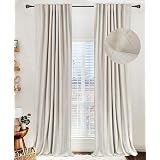
Curtains play a significant role in both aesthetics and perceived room height. Hanging curtain rods too low or using panels that are too narrow are common living room design mistakes that can make ceilings appear shorter and windows feel undersized. Correct curtain placement can dramatically elevate a room’s visual appeal, akin to an optical facelift.
Mount your curtain rod approximately halfway to two-thirds of the way between the top of your window frame and the ceiling. This draws the eye upward, creating the illusion of taller windows and higher ceilings. Furthermore, ensure your curtain panels are wide enough to achieve a luxurious, gathered look. A good rule of thumb is to use curtains that are at least two times the width of your window. For example, if your window measures two meters wide, you should have at least four meters of fabric across your curtain panels (e.g., two panels, each two meters wide).
Crafting Atmosphere with Layered Lighting
To create a truly inviting and dynamic living room, move beyond the singular overhead fixture and embrace layered lighting. This strategy involves incorporating a mix of ambient, task, and accent lighting, each serving a distinct purpose to create depth and atmosphere.
- Ambient Lighting: This is your general illumination, providing overall brightness. Options include recessed lighting, a chandelier, or a central pendant light.
- Task Lighting: Focused lighting for specific activities. A reading lamp next to a sofa or a table lamp on a side table serves this purpose, offering functional illumination where needed.
- Accent Lighting: Designed to highlight specific features or create dramatic effects. Wall sconces can draw attention to artwork, while LED strips behind shelving can add a soft glow and emphasize architectural details.
By strategically combining these three types of lighting, you can sculpt the mood of your living room, making it adaptable for various activities and times of day, from bright daytime tasks to cozy evening relaxation.
Choosing the Right Light Color Temperature
The color temperature of your light bulbs significantly impacts the perceived warmth and ambiance of your living room. An incorrect color temperature can make a space feel sterile and unwelcoming. The “Kelvin” (K) rating indicates this temperature, with lower numbers representing warmer light and higher numbers indicating cooler light.
For living rooms, the sweet spot for lighting color temperature is typically up to 4,000 Kelvin. Bulbs around 2,700-3,000 Kelvin emit a warm, golden glow, perfect for creating a cozy and intimate atmosphere during evenings. Around 3,000-3,500 Kelvin, you’ll find a soft white light that retains warmth but offers slightly more clarity, ideal for general living. Anything above 4,000 Kelvin tends toward cool, bluish tones, which are better suited for task-oriented environments like offices. Crucially, ensure consistency in light temperature across all fixtures within the same room. Mixing warm and cool lights can create a jarring effect; purchasing bulbs of the same Kelvin temperature, ideally from the same brand, guarantees cohesive and inviting illumination.
Practical Living Room Solutions: Storage and Comfort
A functional and comfortable living room extends beyond aesthetics, addressing the practical needs of daily life. Smart storage solutions and a prioritization of comfort ensure the space is as livable as it is beautiful.
Measure Twice, Buy Once: The Golden Rule of Furniture Shopping
One of the most frustrating living room design mistakes is purchasing furniture that simply doesn’t fit the space. Whether it’s a sofa too long for a wall or a chair too wide for a doorway, ill-fitting pieces disrupt flow and functionality. The antidote is diligent measurement before any purchase.
Before you even begin browsing, meticulously measure your living room: walls, windows, doorways, and any existing furniture you plan to keep. Record these dimensions and carry them with you. When considering a new piece, compare its exact measurements against your spatial constraints. Utilize digital floor planning tools like Magicplan or Floor Planner, which allow you to virtually arrange furniture. Alternatively, employ masking tape on your floor to physically outline the dimensions of a potential new piece, providing a tangible sense of its scale within your room.
Smart Storage: Taming Clutter in Your Living Space
Even the most elegantly designed living room can be undermined by clutter. Insufficient storage is a common oversight, leading to an accumulation of belongings that detract from the room’s aesthetic appeal. A useful principle to consider is “Luwe’s 2-to-8 rule,” which suggests that 80% of your belongings should be housed in closed storage, leaving only 20% on display.
To integrate effective storage, think creatively. Long, low modular units, such as an IKEA Besta setup or a custom-built piece, offer extensive closed storage and can double as benches or display surfaces. In smaller living rooms, leverage vertical space with tall bookshelves, mounted cabinets, or floating shelves. Don’t overlook under-utilized areas; the gap beneath a sofa can be perfect for roll-out bins. Storage ottomans or sofas with hidden compartments provide dual functionality, offering both seating and discreet storage. Finally, decorative baskets are your best friend for quickly stashing away blankets, toys, or other items that contribute to a messy appearance, maintaining an organized and serene environment.
Prioritizing Comfort: Designing for Real Life
A visually stunning living room is ultimately a failure if it’s uncomfortable or impractical for daily life. Prioritizing aesthetics over functionality is a significant living room design mistake that can leave you avoiding your own sofa. True design success lies in a balance between beauty and liveability.
Consider the real-world implications of your furniture choices. A white sofa, while chic, may be impractical in a home with kids or pets, requiring constant cleaning. Leather couches in humid climates can become uncomfortably sticky. Ultra-low, deep-seated sofas, while fashionable in magazines, might prove difficult to sit on and rise from comfortably. Instead, choose furniture with kid and pet-friendly fabrics if needed, ensure adequate back support, and select materials appropriate for your climate. A stylish sofa is appealing, but one that looks good and simultaneously invites you to sink in with a book and a cup of coffee truly embodies excellent design. The ultimate goal is a beautiful home built around the reality of how you live, ensuring your living room is as functional and comfortable as it is aesthetically pleasing.
Fixing Your Living Room Flaws: Q&A
How do I know if my furniture is the right size for my living room?
Ensure your furniture respects the room’s proportions; for example, a sofa should fit comfortably along a wall, leaving about 18 inches of space on each side.
What is the ‘two-thirds rule’ for arranging furniture?
This guideline suggests that elements like your coffee table or TV should be about two-thirds the width of the main piece they accompany, such as your sofa or TV console.
What is the best height for a television in a living room?
The center of your TV screen should ideally be at eye level when you are seated, typically between 42 to 48 inches from the floor, to ensure comfortable viewing.
Why should I use different types of lighting in my living room?
Combining ambient, task, and accent lighting creates depth and atmosphere, allowing you to control the mood and functionality of your living room for various activities.
How can I make a large living room feel more comfortable and less empty?
Bring furniture away from the walls to form intimate conversational groupings, and use area rugs or the backs of sofas to define distinct zones within the space.