Identifying Common Interior Design Mistakes
Understanding what makes a space feel “cheap” is the first step. It is often not about monetary value. It’s about thoughtful design choices. Even budget-friendly options can look luxurious. The key is knowing where to focus your effort.
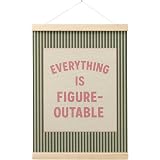
Generic Art and Quotes Lack Personality
Mass-produced prints and “live, laugh, love” signs instantly date a home. They show a lack of personal investment. These items often appear in thousands of other homes.
Authentic pieces, by contrast, tell a story. Consider sourcing art from local artists. Thrift stores also hide unique treasures. Even DIY projects can add genuine character. Your decor should reflect your unique identity.
Cropped Curtains Shorten Your Space
Curtains that barely reach the windowsill visually shrink a room. This common misstep limits perceived height. It often makes windows appear smaller.
Properly hung curtains extend to the floor. They should nearly touch the ceiling. This draws the eye upward. It creates an illusion of grandeur and height. Good quality fabric further enhances this effect.
A Lack of Texture Creates Flatness
Spaces devoid of varied textures feel one-dimensional. Everything looks flat and uninviting. This applies even with a great color palette.
Texture adds depth and visual interest. Mix rough with smooth, soft with hard. Introduce textiles like wool throws or linen pillows. Incorporate natural elements such as wood, stone, or brick. These layers engage the senses. They create a richer, more tactile environment.
One Overhead Light Casts Harsh Shadows
The “boob light” in the ceiling’s center creates unflattering shadows. It illuminates a room from one flat angle. This flattens out architectural details and furniture. It makes the entire space feel utilitarian.
Layered lighting is crucial for ambiance. Combine ambient, task, and accent lighting. Use floor lamps, table lamps, and sconces. This creates a warm, inviting glow. It also highlights specific features. Multiple light sources provide dynamic illumination.
Everything Too Small Undermines Scale
Undersized rugs or tiny art pieces on vast walls look comical. They fail to ground the space. This common design flaw screams “cheap” or “temporary.” It disrupts overall visual balance.
Proper scale and proportion are essential. A rug should comfortably fit furniture. At least the front legs of seating should rest upon it. Art should occupy a significant portion of its wall. Consider a larger single piece. Or curate an intentional gallery wall. These choices anchor your furnishings.
Shiny, Glossy, Plastic Surfaces Feel Manufactured
Furniture crafted from cheap laminate or plastic veneer often looks artificial. These materials lack the warmth of natural elements. They wear poorly over time. This instantly cheapens the perceived value of a piece.
Prioritize honest materials when possible. Solid wood, natural stone, or quality metal offer durability. They also provide genuine texture. Mix these with more affordable pieces for balance. Select items with authentic finishes. They add richness to your home.
Cheap Flooring Lacks Authenticity
Lower-grade laminate or luxury vinyl plank (LVP) can appear artificial. While durable, their printed patterns often repeat. This reveals their manufactured nature. Scuff marks further diminish their appearance over time.
Natural materials like engineered hardwood offer warmth. They provide genuine wood grain and texture. If a full renovation is not feasible, invest in quality area rugs. These can cover less appealing flooring. They also add comfort and style. They are a strategic investment for any home.
Wimpy Baseboards and Casings Signal Builder Grade
Thin, generic trim work often indicates low-cost construction. Builder-grade baseboards and casings lack architectural impact. They contribute to a less refined aesthetic. These details are often overlooked.
Upgrading trim work makes a significant difference. Taller baseboards (e.g., 5-inch or more) add substance. Choose profiles that complement your home’s style. Solid-core doors also enhance perceived quality. They offer better soundproofing. These elements elevate the room’s character. They create a custom-built feel.
Matching Everything Stifles Creativity
Buying entire furniture sets leads to a monotonous look. “Matchy-matchy” decor lacks depth and personality. It feels uncurated and generic. This approach prevents a truly unique design.
Strive for cohesion, not exact replication. Mix styles, textures, and finishes. Select items that relate through color families or similar design cues. Use tints, tones, and shades of your chosen colors. This creates a layered, sophisticated palette. A curated space feels collected over time.
Too Much Open Shelving and Clutter Overwhelms
Excessive display of everyday items creates visual noise. Open shelving crammed with practical objects feels messy. This makes a home appear disorganized. It also reduces perceived space.
Be intentional with what you display. Use closed storage for electronics, remotes, and necessities. Edit your belongings regularly. Concealing clutter creates visual serenity. It makes your space feel calmer. A few carefully chosen decorative objects have greater impact. This elevates the overall aesthetic. These strategies transform a cluttered space into a serene retreat, avoiding common **interior design mistakes**.
Your Design Questions: From Faux Pas to Fabulous Interiors
What kind of art should I avoid in my home?
Avoid mass-produced prints and generic quotes like ‘live, laugh, love’ signs. These items lack personality and can make your home look unoriginal and dated.
How should I hang curtains to make my room feel larger?
Hang curtains so they extend all the way to the floor and are placed close to the ceiling. This visually draws the eye upward, creating an illusion of greater height and grandeur.
Why is it important to add different textures to a room?
Adding varied textures prevents a space from feeling flat and uninviting, even with a great color palette. Textures create depth and visual interest, making the room richer and more tactile.
How can I improve the lighting in my home beyond a single overhead light?
Instead of just one overhead light, use a mix of ambient, task, and accent lighting from floor lamps, table lamps, and sconces. This layering creates a warm, inviting glow and highlights different features.
What is wrong with having all my furniture match exactly?
Buying entire matching furniture sets can make your home look monotonous and lack unique personality. It’s better to mix different styles, textures, and finishes for a more curated and sophisticated feel.