Does your home truly feel like a welcoming sanctuary, or does it inadvertently send signals that keep comfort at bay? As Kristen McGowan adeptly highlights in the video above, creating an inviting home extends beyond mere aesthetics; it’s about crafting an atmosphere where both you and your guests feel at ease and delighted. Many homeowners, often without realizing it, make subtle decorating mistakes that transform their living spaces into something less than hospitable. Understanding these common pitfalls is the first step toward cultivating a truly magnetic environment.
Indeed, interior design principles dictate that a space should not only look good but also function intuitively and evoke a desired emotion. If your home currently feels stiff, cluttered, or simply lacking warmth, it might be time to re-evaluate how your current home decor choices are impacting its overall vibe. This comprehensive guide delves deeper into the strategies for transforming an uninviting home into a haven of comfort and style, expanding on Kristen’s insights with expert advice and practical applications.
Optimizing Furniture Layout for Engaging Conversation
One of the most fundamental aspects of an inviting home is a furniture arrangement that encourages interaction. Imagine if guests entered your living room, only to find all seating options rigidly aligned toward a television or a lone fireplace. Such a setup inherently stifles dialogue. Instead, professional interior designers emphasize creating distinct conversation zones.
The Art of Spatial Planning for Gathering Spaces
Effective spatial planning revolves around the concept of a “conversation circle.” This means positioning sofas and chairs to face each other, or at least at angles that facilitate direct eye contact without strain. A primary focal point, like a fireplace or a television, can certainly serve as an anchor, but the surrounding furniture should not solely cater to it. For instance, if a sofa dominates one side, consider integrating two accent chairs or a loveseat opposite it. This configuration immediately signals that the space is designed for people, not just passive viewing.
For those with more expansive open-concept layouts, the strategic use of swivel chairs can be a game-changer. These versatile pieces allow for fluid movement and adaptable seating, enabling occupants to engage with various zones of an open plan area without physically relocating their chair. This flexibility prevents a space from feeling rigid or “stuck,” enhancing the overall flow and functionality. Furthermore, smaller, movable elements like ottomans and poufs are invaluable. They offer supplementary seating, footrests, or even makeshift side tables, making a room feel more dynamic and less formal. Guests instinctively pull them closer, signifying comfort and active participation in the gathering.
Elevating the Guest Experience: Beyond Basic Cleanliness
While a visibly clean home is always appreciated, true hospitality goes deeper than a spotless surface. It’s about anticipating needs and offering thoughtful touches that signal genuine care for your guests’ comfort. Neglecting details in high-traffic areas, such as the powder bathroom, can inadvertently create an uninviting home.
Thoughtful Touches in the Powder Room
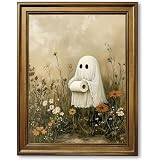
Consider the humble hand towel. A dirty, damp, or well-used towel in a guest bathroom instantly detracts from the experience. This small oversight can make guests feel hesitant or even uncomfortable. A simple yet effective solution involves providing decorative napkins or small, fresh hand towels that guests can use once and dispose of, or place in a designated hamper. This ensures a hygienic and pleasant experience for everyone. Additionally, wrapping extra toilet paper rolls in coordinating decorative paper or fabric adds a touch of elegance, transforming a utilitarian item into a curated detail. These small gestures communicate a deeper level of care and attention to detail, making a significant impact on how guests perceive your space.
Mastering the Entryway: Your Home’s First Impression
The entryway is the overture to your home’s symphony; it sets the tone for everything that follows. A cluttered, disorganized entryway can immediately make a home feel uninviting, suggesting chaos within. Conversely, a clean, well-appointed entry warmly ushers guests inside.
Strategic Storage for a Welcoming Threshold
The primary culprit in many unwelcoming entryways is clutter—shoes strewn about, coats haphazardly tossed, mail piled high, and keys misplaced. The solution lies in maximizing closed storage. This might involve repurposing a coat closet, integrating a slim console table with drawers, or even adding a dedicated wardrobe if space permits. Benches with built-in storage or decorative baskets with lids are excellent for corralling items like shoes, bags, and accessories, keeping them out of sight yet easily accessible. By centralizing these transient items, you create an immediate sense of order and spaciousness.
Beyond decluttering, the scale of your entryway rug also plays a crucial role. A postage stamp-sized mat can feel unwelcoming, forcing guests to awkwardly navigate a tiny landing. Opting for a larger rug allows visitors to step fully into the space, providing a comfortable and defined area for removing shoes and settling in. This subtle design choice creates a grounded and welcoming transition from the outside world into your personal sanctuary.
The Paradox of Perfection: Embracing the Relaxed Clean Look
There’s a fine line between a clean, organized home and one that feels so pristine it’s intimidating. An overly sterile or “showroom” aesthetic can paradoxically make a space feel uninviting, signaling that it’s too perfect to be lived in. The goal is to cultivate a “relaxed clean” look—a space that is impeccably tidy but simultaneously exudes warmth and approachability.
Humanizing Your Space with Intentional Imperfection
Imagine if a guest hesitates to sit on your sofa for fear of disturbing a perfectly fluffed pillow or a meticulously folded throw blanket. This indicates an environment that is clean but lacks soul. To counteract this, introduce elements of “intentional imperfection.” Leave a strategic board game or a captivating coffee table book slightly ajar, suggesting recent use and encouraging interaction. Rather than perfectly folding throw blankets, drape them casually over an armchair, inviting someone to snuggle in. A single pair of stylish shoes neatly placed by the door can implicitly communicate that guests are welcome to kick off their footwear. These small, deliberate choices humanize the space, making it feel lived-in and genuinely welcoming, rather than just aesthetically pleasing.
Subtle Cues, Big Impact: Functional Decor Elements
Sometimes, the most powerful elements of an inviting home are the silent communicators—functional decor pieces that anticipate needs and provide comfort without a single word. These subtle cues contribute significantly to the overall guest experience.
The Unsung Hero: Coasters as Tokens of Hospitality
Take, for instance, coasters. While seemingly trivial, their presence on a coffee table or end table sends an immediate and unspoken message: “You are welcome to place your drink here. We encourage you to relax and enjoy yourself.” This small gesture alleviates any guest’s unconscious concern about damaging furniture, fostering a sense of ease. Integrating coasters that complement your home decor aesthetic ensures they blend seamlessly, becoming both a practical necessity and a tasteful accent. Placing them strategically in living areas, dining rooms, and even home offices demonstrates a consistent commitment to comfort and care throughout your dwelling.
Harnessing the Power of Sensory Design: Scent and Sound
Beyond visual appeal, an inviting home engages all the senses. Scent, in particular, possesses an unparalleled ability to evoke emotion and memory, immediately shaping a visitor’s perception of your space.
Crafting a Welcoming Olfactory Experience
The human olfactory system is directly linked to the brain’s limbic system, which governs emotion and memory. Therefore, the scent of your home is a critical, often overlooked, component of its welcoming factor. A home that smells stale, of pets, or of lingering cooking odors can instantly create an uninviting impression. Conversely, a subtle, pleasant aroma can significantly enhance comfort and relaxation. Large, high-quality candles, particularly in the entryway, are excellent for this purpose, offering both a visual glow and a delightful fragrance. For those who prefer alternatives, natural room sprays or diffusers can achieve similar effects. When selecting a scent, aim for something warm, neutral, and not overpowering. Amber notes, for example, are frequently favored in luxury home environments for their sophisticated, cozy, and universally appealing quality. Imagine stepping into a home where a subtle, warm fragrance greets you, instantly enveloping you in a feeling of comfort and elegance—that’s the power of intentional scent design.
Illuminating Serenity: The Critical Role of Ambient Lighting
Perhaps one of the most transformative elements in creating an inviting home is lighting. Over-reliance on harsh overhead lighting, especially in the evening, can make a space feel stark and uncomfortable, dramatically detracting from its potential warmth.
Mastering Layered Lighting for Ambiance
Expert lighting design emphasizes layering. This means incorporating various light sources to create depth, visual interest, and customizable ambiance. While overhead lighting provides general illumination, it is insufficient on its own. The true magic happens with task lighting (like reading lamps) and, most crucially, ambient lighting provided by lamps. Lamp lighting emits a softer, warmer glow that mimics natural sunset, creating a cozy and intimate atmosphere. Kristen’s recommendation of at least three lamps in every primary living space serves to evenly distribute this warm glow, eliminating dark corners and fostering a sense of envelopment. This approach ensures the space feels bright enough without being glaring. Even on a budget, sourcing stylish lamps is achievable; thrift stores like Habitat for Humanity often yield hidden gems, as exemplified by the $20 lamp transformed with a simple shade swap.
Actively incorporating lamps into your evening routine—turning them on as the sun sets—can dramatically shift the mood of your home, making it feel more tranquil and welcoming, not just for guests but for your own daily enjoyment.
Curating Authenticity: Weaving Personal Narratives
A home devoid of personal touches often feels impersonal, like a hotel room or a staged property. While minimalist design has its place, a complete absence of personal artifacts can render a space soulless and, by extension, uninviting.
Infusing Life with Tasteful Personalization
Your home should tell your story. Integrating personal pieces—whether family photographs, travel mementos, or cherished heirlooms—breathes life into a space. The key is tasteful integration. Instead of a chaotic display, consider curated spaces like gallery walls that blend framed photos with art, or incorporating small, framed pictures within a bookshelf display. Decorative items, such as the linen-bound wedding photo albums Kristen mentions, offer a sophisticated way to share personal memories. These pieces are not just decor; they are conversation starters, offering glimpses into your life and experiences, which helps guests feel more connected to you and your home. They transform a generic setting into a unique, warm, and distinctly personal haven.
The Illusion of Order: Strategic Decorative Storage
Even in the most organized homes, small items like remote controls, vitamins, charging cables, or stray mail can quickly accumulate and disrupt the visual harmony. Allowing these utilitarian objects to remain exposed contributes to a sense of visual clutter, subtly making a space feel less inviting.
Hiding Clutter with Aesthetic Solutions
Enter the unsung heroes of organization: decorative boxes. These versatile pieces offer an elegant solution for discreetly stowing away everyday items that might otherwise contribute to an uninviting home. Available in an array of patterns, materials, and sizes, decorative boxes can complement your existing home decor while serving a crucial functional purpose. Placing them on coffee tables, side tables, or entry consoles allows you to easily tuck away items like remote controls, reading glasses, or even small snacks, creating an immediate sense of tidiness without sacrificing accessibility. This strategy maintains an illusion of effortless order, ensuring that your home feels perpetually guest-ready and free from unnecessary visual noise, truly embodying the essence of an inviting home.
Your Uninviting Home: Q&A for Welcoming Spaces
What makes a home feel uninviting?
An uninviting home is a living space that feels stiff, cluttered, or lacks warmth, making guests feel uncomfortable. This often happens due to subtle decorating mistakes that prevent a sense of comfort and hospitality.
How can I arrange my furniture to make my living room more welcoming for guests?
Position sofas and chairs to face each other or at angles that encourage direct eye contact, creating ‘conversation zones.’ This signals that the space is designed for interaction rather than just passive viewing.
What is an easy way to improve my entryway?
Focus on decluttering by using closed storage like benches with built-in storage or decorative baskets. Also, opt for a larger rug to provide a comfortable and defined area for guests to settle in.
How does lighting affect how inviting my home feels?
Over-reliance on harsh overhead lighting can make a space feel stark. Instead, use layered lighting with lamps to create a softer, warmer glow, which makes your home feel cozy and intimate.
Can a home be too clean or perfect?
Yes, an overly sterile or ‘showroom’ aesthetic can paradoxically make a space feel uninviting, as if it’s too perfect to be lived in. Introducing ‘intentional imperfection’ with casually placed items can make it feel more human and welcoming.