Imagine walking into a living room that instantly feels inviting. The seating arrangement encourages conversation, the lighting is just right, and every element contributes to a cohesive, comfortable atmosphere. Conversely, envision a space where furniture feels awkward, art is haphazardly placed, and the overall impression is one of disjointed clutter. These contrasting experiences often stem from common living room design mistakes, which the accompanying video expertly dissects. Understanding these pitfalls is the first step toward transforming your own living area into a truly captivating space.
Indeed, many homeowners find themselves inadvertently making design choices that detract from their living room’s potential. Addressing these frequent missteps can dramatically enhance both the aesthetics and functionality of your home. Therefore, we delve deeper into rectifying these common living room design mistakes, offering practical insights and actionable solutions to help you achieve your ideal living environment. From optimizing furniture placement to selecting the perfect paint hue, every detail matters in crafting a harmonious space.
Rethinking Seating Placement for Engagement
The primary function of a living room is often conversation and connection. Consequently, seating arrangement plays a pivotal role. Many individuals instinctively push sofas against walls or orient all furniture toward a television. However, this approach often hinders natural interaction among guests.
Consider the purpose of your space first. Are you hosting regular gatherings? Do you value intimate family discussions? Arrange your sofas and chairs to face one another, fostering an environment conducive to dialogue. Moreover, ensure that each seat offers a comfortable angle for speaking and listening. Imagine if guests had to crane their necks just to make eye contact; such an arrangement can quickly dampen social spirits. Therefore, prioritize creating an inclusive seating circle that invites connection.
Mastering Rug Position and Scale
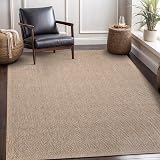
A well-placed rug can anchor a room; conversely, a poorly positioned one disrupts the entire design. The video rightly emphasizes rug size as a common issue, and indeed, many rugs chosen are simply too small for their designated space. Furthermore, the rug’s orientation is equally critical. It should ideally run parallel to your largest piece of furniture, typically the sofa or sectional.
Imagine a rug placed perpendicular to a long sofa; it creates a visually awkward division. Instead, allow the rug to act as a unifying “platter” beneath your seating arrangement. It should extend under the front legs of all primary seating pieces, creating a sense of cohesion. Therefore, measure your space carefully, ensuring your rug is generous enough to encompass the main furniture elements effectively. This strategic placement helps define the living area and grounds the overall design.
Prioritizing Comfort in Furniture Selection
Beauty in design is certainly appealing, yet comfort remains paramount. Purchasing furniture solely based on aesthetics without considering its tactile experience is a frequent living room design mistake. Online retailers offer vast selections, but there is often no substitute for trying before buying. Furthermore, thoroughly investigate return policies for online purchases.
Imagine investing in a stunning sofa only to find it uncomfortably firm or too deep for everyday use. Such a piece quickly becomes more of a display item than a functional one. Additionally, consider accessibility; overly low-slung contemporary sofas, while stylish, can pose difficulties for older individuals or those with mobility challenges. Consequently, always prioritize comfort for all potential users. This ensures your living room remains a welcoming and usable space for everyone.
Achieving Proportionality with Furniture and Decor
Disproportional furniture and decor can significantly undermine a living room’s harmony. This common living room design mistake involves choosing items that are either too large or too small for the room. A tiny piece of art on a vast wall, for instance, appears lost and insignificant. Conversely, an oversized sofa in a compact room can feel overwhelming, literally squeezing the life out of the space.
Imagine moving into a new home with existing furniture. Pieces that fit perfectly in your previous, larger living room might appear cumbersome in a smaller footprint. Therefore, careful measurement and planning are essential. If furniture simply does not fit proportionally, consider repurposing or selling it. It is difficult to force a fit where none exists. Ultimately, selecting pieces that harmonize with the room’s scale creates a balanced and visually pleasing environment. Proper scale is foundational to good design.
Elevating Throw Pillows Beyond “Matchy-Matchy”
Throw pillows offer an excellent opportunity to inject personality and texture into a living room. However, a common living room design mistake involves selecting same-sized, cheap, and “matchy-matchy” pillows. Often, a neutral sofa is paired with identical, brightly colored polyester pillows, resulting in a predictable and uninspired look. This approach misses the chance to create visual depth.
Consider instead a more curated approach. Vary the sizes, shapes, and textures of your pillows. Imagine combining a large square pillow with a smaller rectangular lumbar pillow, both featuring different yet complementary fabrics like velvet, linen, or a chunky knit. Furthermore, explore a spectrum of shades within a chosen color palette, rather than sticking to a single hue. This creates a cohesive yet dynamic look. Therefore, invest in quality, varied pillows that contribute to a layered and inviting aesthetic. They truly are an easy way to elevate your design.
Redefining the Living Room Focal Point
A focal point draws the eye and provides a visual anchor for the room. While the television often becomes this default center, making it the sole focus is a common living room design mistake. This approach can lead to a “theater-style” arrangement where all seating faces one direction, neglecting the primary function of conversation.
Imagine if your living room’s most compelling feature was a grand fireplace, a stunning piece of art, or a beautiful window with an inspiring view. Design your seating arrangement to acknowledge this feature while still promoting interaction. For instance, a sofa facing a fireplace could have two accent chairs flanking it, oriented towards the sofa. If the television must be prominent, consider a Frame TV that displays art when off, transforming the “black box” into a dynamic display. Therefore, thoughtfully choose a focal point that enhances the room’s overall appeal and function, not just its entertainment value.
Harnessing Natural Light and Views
If your living room is blessed with ample natural light or a captivating view, it is a significant asset. A prevalent living room design mistake involves blocking these valuable elements. Heavy drapery, oversized furniture, or tall case goods placed directly in front of windows can obstruct light and obscure beautiful vistas. This diminishes the room’s inherent charm and brightness.
Consider soft, translucent window treatments that filter light without blocking it entirely. Imagine arranging some seating to offer a glimpse of an outdoor scene, perhaps a pair of armchairs positioned to enjoy a garden view. This does not mean all seating must face the window; rather, it suggests an acknowledgement of the external environment. Consequently, embrace and maximize your natural light and views. They provide an undeniable sense of openness and connection to the outside world, making the living room feel larger and more serene.
Venturing Beyond Basic White Walls
White paint is undeniably versatile and a safe choice for walls. However, limiting your palette solely to white can be a common living room design mistake, especially when other colors could add significant character. While white rooms can be bright, they sometimes lack warmth and depth. Considering mid-tones or even darker hues can profoundly impact a space’s mood and perceived sophistication.
Imagine a rich navy blue accent wall or an olive green that brings a sense of calm and nature indoors. These colors make a space feel more custom and inviting. Furthermore, if you do opt for white, pay close attention to its Light Reflectance Value (LRV). High LRV whites, like Benjamin Moore’s Chantilly Lace or Super White, reflect a vast amount of light. In a very bright room, this can create a stark, almost blinding, “sanitarium” effect without visual depth. Therefore, explore the spectrum of paint colors, even subtle grays or beiges, or choose a softer white with a lower LRV to create a more nuanced and comfortable living room. Thoughtful color selection truly personalizes your home.
Curating Artful Wall Displays
Art provides an exceptional means of personal expression and can significantly enhance a living room’s aesthetic. Nevertheless, a frequent living room design mistake is having too much art, or hanging it incorrectly. Overly crowded gallery walls or pieces scaled improperly for the wall can make a space feel cluttered and overwhelming, even before any physical clutter is introduced.
Imagine a wall completely consumed by small frames with no breathing room between them; the eye has no place to rest. Conversely, a single, oversized piece of art on a large wall makes a powerful statement. When creating a gallery wall, ensure adequate “white space” around and between each piece. This allows individual artworks to be appreciated while maintaining a cohesive display. Furthermore, consider the scale of the art in relation to the furniture below it. Therefore, prioritize thoughtful curation over sheer quantity. An artful display contributes immensely to a sophisticated living room, avoiding many common living room design mistakes.
Balancing Open and Closed Shelving
Open shelving provides opportunities to display cherished possessions and add character to a living room. However, relying exclusively on open storage throughout the space is a common living room design mistake. Too many floating shelves, open media consoles, coffee tables with exposed compartments, and open bookcases can create visual clutter. This constant stimulation can make a room feel disheveled and visually tiring.
Imagine all your remote controls, game consoles, old magazines, and charging cables perpetually on display. While these items are functional, they are not always visually appealing. Therefore, integrate a strategic mix of open and closed storage solutions. Closed cabinetry allows you to tuck away unsightly but necessary items, maintaining a clean and serene aesthetic. Open shelving should be reserved for carefully curated collections of decorative objects, books, or personal mementos that bring you joy. This balance ensures your living room remains both functional and visually calm, addressing common living room design mistakes head-on.
Untangling Your Living Room’s Design Dilemmas: A Q&A
How should I arrange my living room seating to encourage conversation?
Arrange your sofas and chairs to face each other, creating a comfortable circle that encourages natural interaction among guests.
What is a common mistake people make when choosing a rug for the living room?
A common mistake is using a rug that is too small for the space. Ideally, your rug should extend under the front legs of all your primary seating pieces.
Why is comfort important when selecting living room furniture?
Comfort is paramount because it ensures your living room is a welcoming and usable space for everyone. Furniture that only looks good but isn’t comfortable quickly becomes impractical.
How can I make my throw pillows look more stylish and less ‘matchy-matchy’?
Instead of identical pillows, mix different sizes, shapes, and textures. This approach adds visual depth and personality, creating a more curated look.
Do I have to paint my living room walls white?
No, while white is a safe choice, exploring mid-tones or softer hues can add significant character and warmth. Thoughtful color selection can truly personalize your home.